Buy loran-europe.eu ?
We are moving the project
loran-europe.eu .
Are you interested in purchasing the domain
loran-europe.eu ?
domain@kv-gmbh.de · 0541-91531010
Buy loran-europe.eu ?
Are Albanians Slavs?
No, Albanians are not Slavs. They are an ethnic group native to the Balkan region, specifically Albania and parts of neighboring countries. The Albanian language is part of the Indo-European language family, but it is not related to Slavic languages. Slavs are a different ethnic group with their own distinct language and cultural heritage. **
Are Austrians Slavs?
No, Austrians are not Slavs. Austrians are predominantly of Germanic descent, with a mix of other ethnic groups such as Hungarian, Croatian, and Slovenian. Slavs are a different ethnic group that includes people from countries like Russia, Poland, Czech Republic, and Slovakia. While there may be some cultural and historical connections between Austrians and Slavs due to their geographical proximity, they are distinct ethnic groups with their own unique identities. **

Similar search terms for Slavs
Top-Angebote
Products related to Slavs:
-
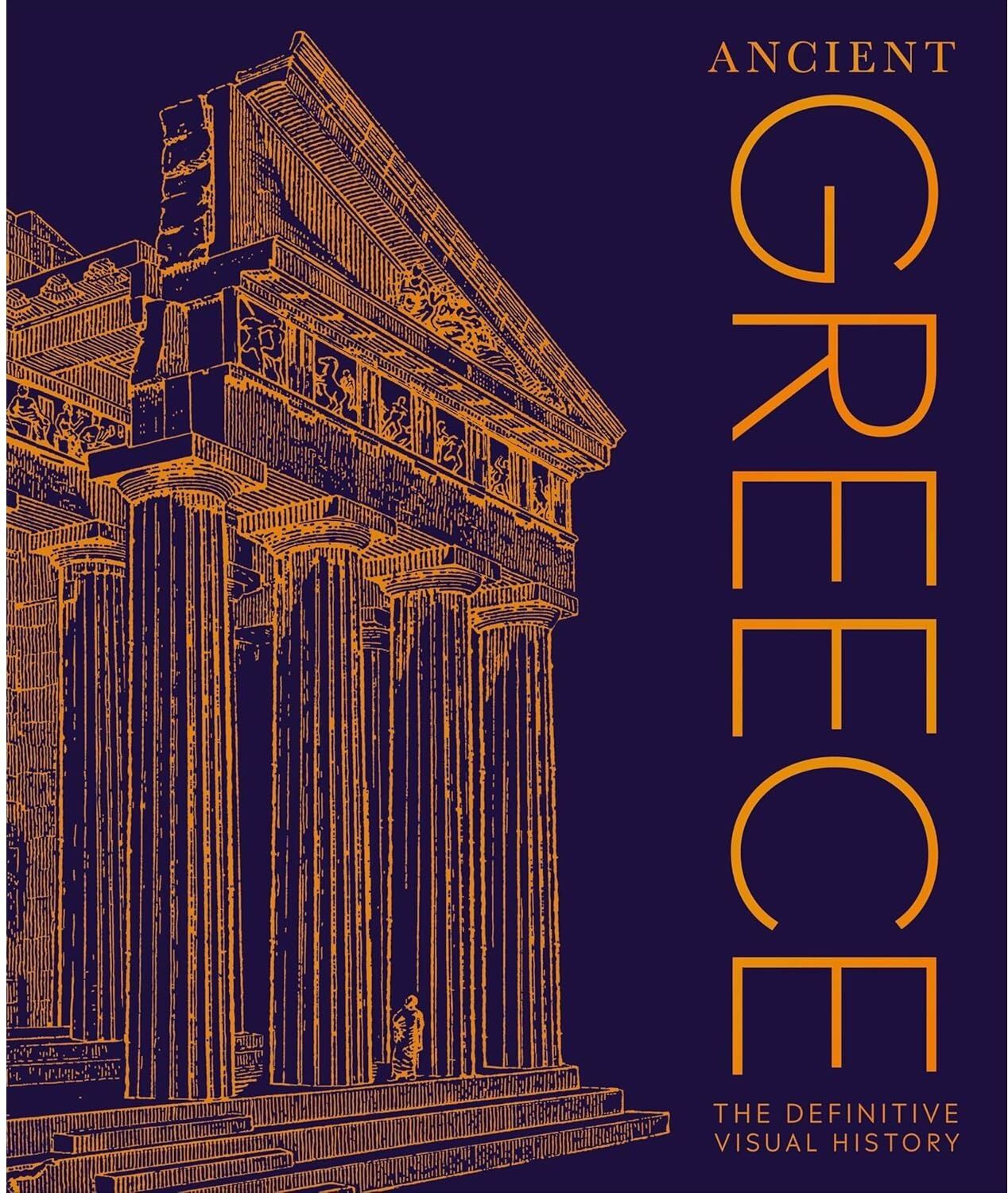
Ancient Greece: The Definitive Visual History (DK Classic History)Embark upon a fascinating journey through ancient Greece – from its rise and fall to its lasting legacy throughout the Western world. Spanning more than 3,000 years, Ancient Greece explores the tumultuous history of this glorious empire in vivid detail – from its Minoan and Mycenaean origins to the apogee of the warring city-states of Athens and Sparta, and from the death of its most charismatic leader, Alexander the Great, to its ultimate defeat by Rome. Sumptuous photography and authoritative, engaging text cover every facet of life in ancient Greece, from art, entertainment, and schools of thought to politics, medicine, and war, while the myths and religious beliefs of the ancient culture are explored and explained in depth. Greece’s military and political power shines through in fascinating maps of its legendary battles. Buried palaces and the Athenian Agora where Plato and Socrates discussed philosophy are brought back to life with stunning CGI artworks. And the stories of everyone from ordinary citizens to lawmakers and the first Olympic athletes are retold through eyewitness accounts and original artefacts.19,99 £*Shipping: 2,99 £Secure redirect to the provider
-
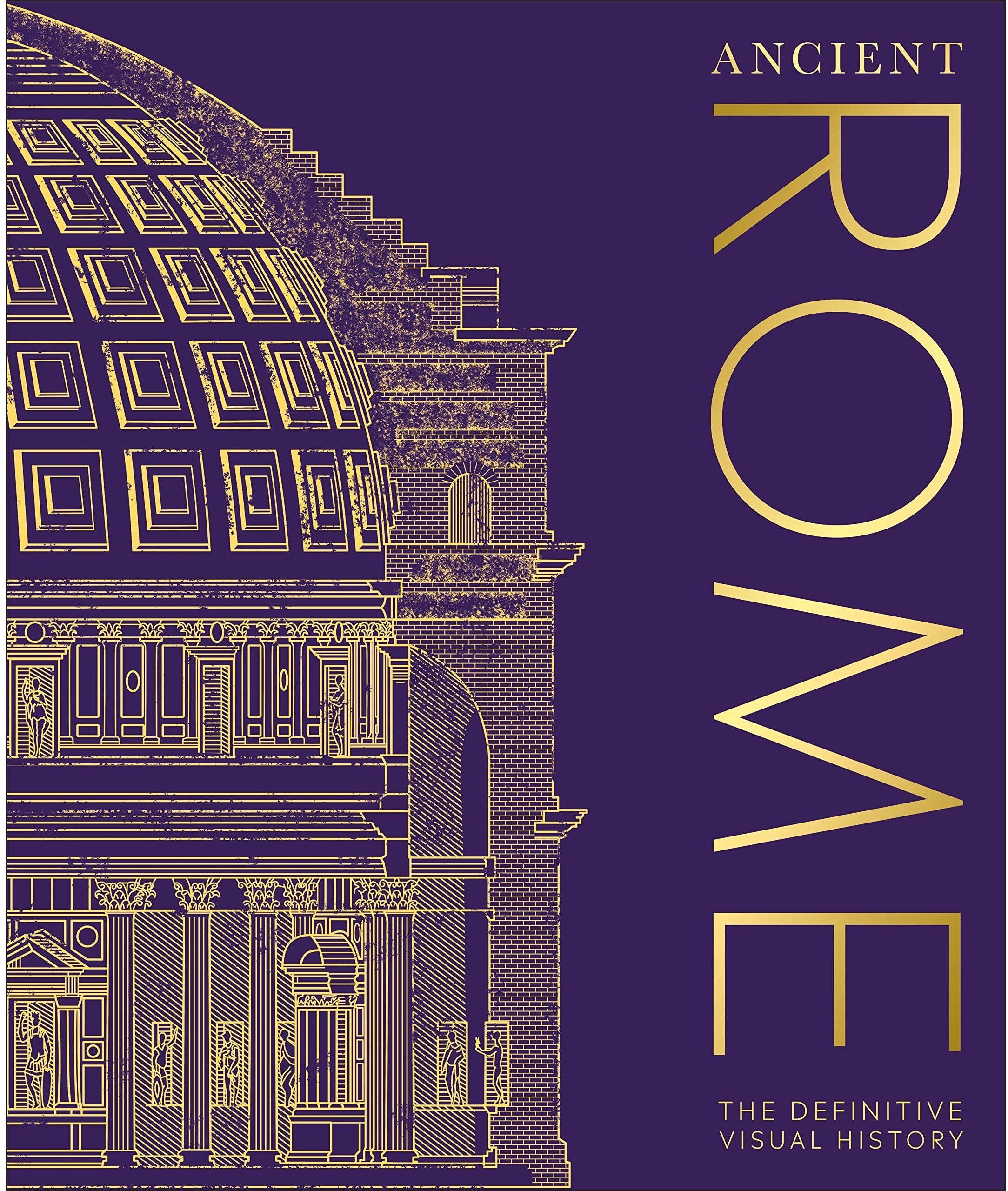
Ancient Rome: The Definitive Visual History (DK Classic History)Immerse yourself in the history of ancient Rome - from its origins as a small settlement on the Palatine Hill to its peak as an empire reigning over 90 million people, and its tumultuous decline. Covering more than 1,000 years of history, and an empire that stretched from Scotland to Syria, Ancient Rome reveals in vivid detail all of the key political, cultural, and military events that shaped the Roman Empire and explores what it was like to live in a society that laid the foundations for many aspects of the modern world. Sumptuous photography and engaging text cover every facet of life in ancient Rome, from art, entertainment, and fashion to engineering, medicine, and war, while detailed maps trace the rise of the mighty Roman Empire. Step back in time in the pages of this history book to discover:- Themed spreads explore developments in areas such as sculpture, religion, warfare, and engineering. - Includes tales of the most dramatic events and battles in Roman history, as well as profiles of influential historical and cultural figures. - An optional 80pp reference section includes sections on rulers, gods and goddesses, and key sites. Featuring Rome's greatest emperors, from Augustus to Constantine, as well as profiles of generals, historians, and influential women, Ancient Rome also delves into the fascinating stories of gladiators, bakers, and enslaved people. The most iconic buildings of Rome are brought to life with specially commissioned CGI recreations, while the stories of ordinary citizens, soldiers, and persecuted groups from across the empire are told with the help of illustrations, artefacts, and eyewitness accounts. Beautifully illustrated and unparalleled in scope, Ancient Rome is the perfect book for anyone who is interested in this defining period of world history.19,95 £*Shipping: 2,99 £Secure redirect to the provider
-
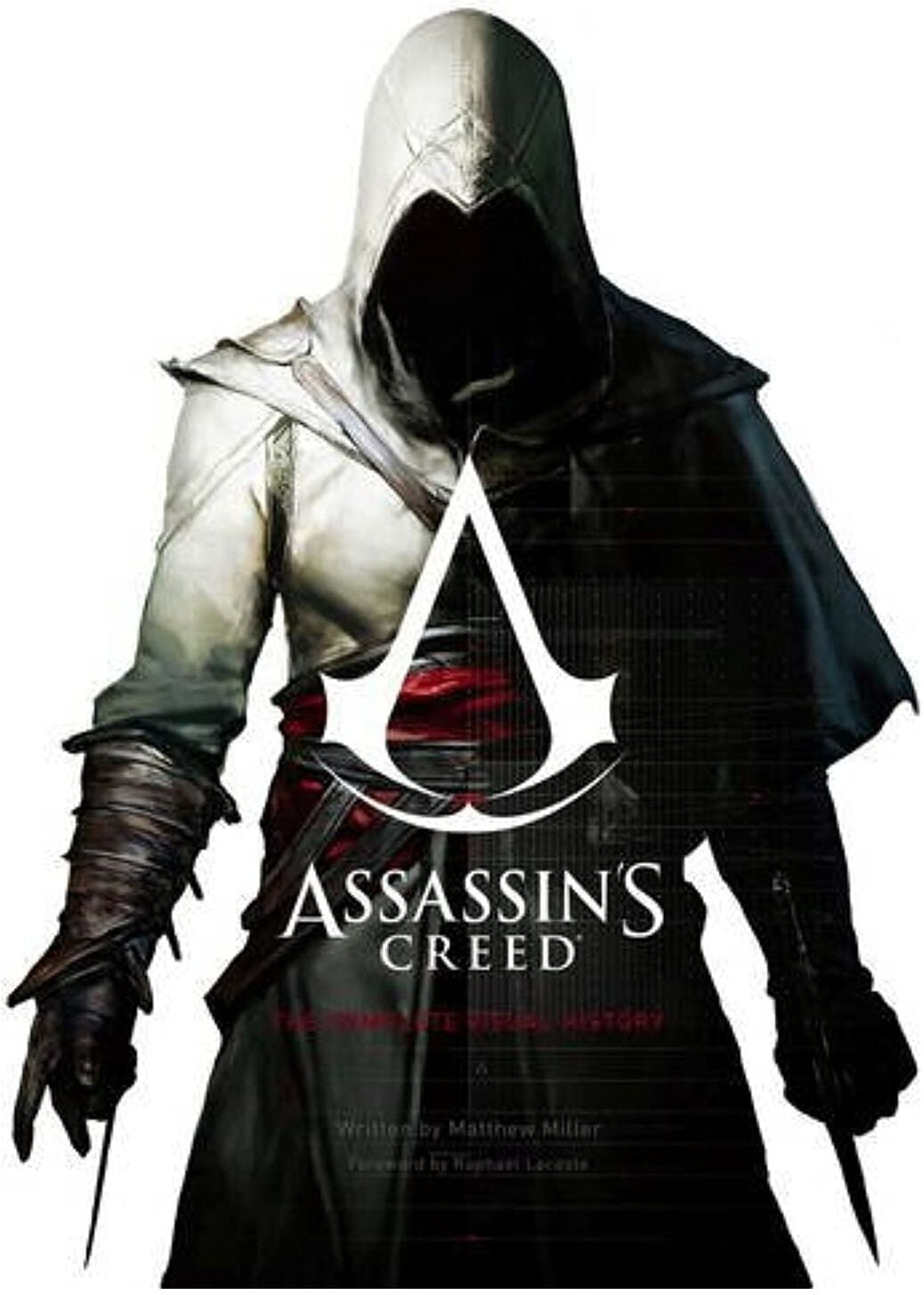
Titan Assassins Creed - The Complete Visual History: The Definitive Visual HistoryThis stunning book explores the rich mythology of Assassins Creed®, featuring the art and history of the series from the first groundbreaking game through the graphic novels to the DLCs. Highlighting the lush and vibrant art that has become a hallmark of the series, this luxury coffee-table book brings the games famous historical locations and figures to life and explores the evolution of each iconic Assassin and Templar.15,99 £*Shipping: 2,99 £Secure redirect to the provider

-
Do you know Slavs?
As an AI language model, I do not have personal experiences or relationships, so I do not "know" individuals in the traditional sense. However, I have knowledge of Slavic culture, history, and languages, and I can provide information and answer questions about Slavic people and their traditions. If you have specific questions about Slavic culture or history, feel free to ask and I will do my best to provide accurate and helpful information. **
-
Are Serbians really true Slavs?
Yes, Serbians are considered true Slavs. They are part of the South Slavic group, along with other ethnicities such as Croats, Bosniaks, and Slovenes. The Serbian language is a Slavic language, and Serbian culture and traditions have strong Slavic roots. Additionally, Serbians share a common history and ancestry with other Slavic peoples in the region. **
-
What do Slavs look like?
Slavs are a diverse group of people with a wide range of physical appearances. Generally, Slavs have fair to light skin tones, with hair colors ranging from blonde to dark brown and eye colors that can be blue, green, brown, or grey. Facial features can vary, but some common characteristics include high cheekbones, straight noses, and round faces. It's important to note that there is no one specific look that defines all Slavic people, as the region encompasses many different ethnic groups with unique physical traits. **
-
Are Bosnians Illyrians or Slavs?
Bosnians are primarily Slavs, with a mix of other ethnic groups such as Illyrians, who were an ancient people that inhabited the western Balkans. The Slavic migration into the Balkans occurred in the 6th and 7th centuries, and they eventually became the dominant ethnic group in the region. While there may be some genetic and cultural influence from the Illyrians, the majority of Bosnians identify as Slavs. **


Why do not all peoples of Eastern Europe belong to the Slavs?
Not all peoples of Eastern Europe belong to the Slavs because Eastern Europe is a diverse region with a mix of different ethnic groups and cultures. While the Slavs are the largest ethnic group in Eastern Europe, there are also other ethnic groups such as the Romanians, Hungarians, and Baltic peoples who have their own distinct languages, cultures, and histories. These different groups have their own unique origins and have contributed to the rich tapestry of Eastern European diversity. **
Do the Slavs also use runes?
Yes, the Slavs also used runes as a writing system in the early medieval period. The Slavic peoples had their own runic alphabet known as the "Glagolitic script" which was used for writing Old Church Slavonic, the liturgical language of the Slavic peoples. The Glagolitic script was eventually replaced by the Cyrillic alphabet, which is still used by many Slavic languages today. However, the use of runes in Slavic culture was primarily for religious and ceremonial purposes rather than everyday writing. **
Top-Angebote
Products related to Slavs:
-
From the Archives: Black History and Culture Value PackThis brand-new series is rooted in a profound commitment to shedding light on some of the important -- and often lesser-known -- aspects of Black history. From the Archives features landmarks, events, people, and artistic endeavors that have played...26,99 $*Shipping: 0,00 $Secure redirect to the provider
-
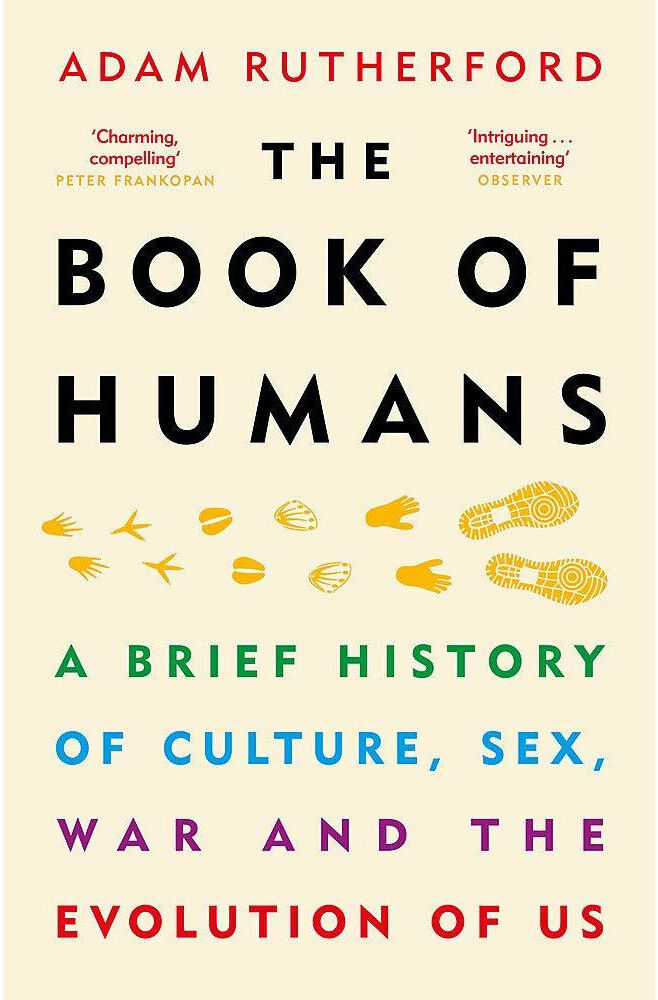
Orion The Book of Humans by Adam Rutherford – A Brief History of Culture, Sex, War & EvolutionWHAT MAKES US HUMAN? Waging war? Sex for pleasure? Creating art? Mastery of fire? In this thrilling tour of the animal kingdom, Adam Rutherford tells the story of how we became the unique creatures we are today. Illuminated by the latest scientific discoveries, THE BOOK OF HUMANS is a dazzling compendium of what unequivocally fixes us as animals, and reveals how we are extraordinary among them.4,98 £*Shipping: 1,99 £Secure redirect to the provider
-
Ancient Greece: The Definitive Visual History (DK Classic History)Embark upon a fascinating journey through ancient Greece – from its rise and fall to its lasting legacy throughout the Western world. Spanning more than 3,000 years, Ancient Greece explores the tumultuous history of this glorious empire in vivid detail – from its Minoan and Mycenaean origins to the apogee of the warring city-states of Athens and Sparta, and from the death of its most charismatic leader, Alexander the Great, to its ultimate defeat by Rome. Sumptuous photography and authoritative, engaging text cover every facet of life in ancient Greece, from art, entertainment, and schools of thought to politics, medicine, and war, while the myths and religious beliefs of the ancient culture are explored and explained in depth. Greece’s military and political power shines through in fascinating maps of its legendary battles. Buried palaces and the Athenian Agora where Plato and Socrates discussed philosophy are brought back to life with stunning CGI artworks. And the stories of everyone from ordinary citizens to lawmakers and the first Olympic athletes are retold through eyewitness accounts and original artefacts.19,99 £*Shipping: 2,99 £Secure redirect to the provider
-
Ancient Rome: The Definitive Visual History (DK Classic History)Immerse yourself in the history of ancient Rome - from its origins as a small settlement on the Palatine Hill to its peak as an empire reigning over 90 million people, and its tumultuous decline. Covering more than 1,000 years of history, and an empire that stretched from Scotland to Syria, Ancient Rome reveals in vivid detail all of the key political, cultural, and military events that shaped the Roman Empire and explores what it was like to live in a society that laid the foundations for many aspects of the modern world. Sumptuous photography and engaging text cover every facet of life in ancient Rome, from art, entertainment, and fashion to engineering, medicine, and war, while detailed maps trace the rise of the mighty Roman Empire. Step back in time in the pages of this history book to discover:- Themed spreads explore developments in areas such as sculpture, religion, warfare, and engineering. - Includes tales of the most dramatic events and battles in Roman history, as well as profiles of influential historical and cultural figures. - An optional 80pp reference section includes sections on rulers, gods and goddesses, and key sites. Featuring Rome's greatest emperors, from Augustus to Constantine, as well as profiles of generals, historians, and influential women, Ancient Rome also delves into the fascinating stories of gladiators, bakers, and enslaved people. The most iconic buildings of Rome are brought to life with specially commissioned CGI recreations, while the stories of ordinary citizens, soldiers, and persecuted groups from across the empire are told with the help of illustrations, artefacts, and eyewitness accounts. Beautifully illustrated and unparalleled in scope, Ancient Rome is the perfect book for anyone who is interested in this defining period of world history.19,95 £*Shipping: 2,99 £Secure redirect to the provider
-
Are Albanians Slavs?
No, Albanians are not Slavs. They are an ethnic group native to the Balkan region, specifically Albania and parts of neighboring countries. The Albanian language is part of the Indo-European language family, but it is not related to Slavic languages. Slavs are a different ethnic group with their own distinct language and cultural heritage. **
-
Are Austrians Slavs?
No, Austrians are not Slavs. Austrians are predominantly of Germanic descent, with a mix of other ethnic groups such as Hungarian, Croatian, and Slovenian. Slavs are a different ethnic group that includes people from countries like Russia, Poland, Czech Republic, and Slovakia. While there may be some cultural and historical connections between Austrians and Slavs due to their geographical proximity, they are distinct ethnic groups with their own unique identities. **
-
Do you know Slavs?
As an AI language model, I do not have personal experiences or relationships, so I do not "know" individuals in the traditional sense. However, I have knowledge of Slavic culture, history, and languages, and I can provide information and answer questions about Slavic people and their traditions. If you have specific questions about Slavic culture or history, feel free to ask and I will do my best to provide accurate and helpful information. **
-
Are Serbians really true Slavs?
Yes, Serbians are considered true Slavs. They are part of the South Slavic group, along with other ethnicities such as Croats, Bosniaks, and Slovenes. The Serbian language is a Slavic language, and Serbian culture and traditions have strong Slavic roots. Additionally, Serbians share a common history and ancestry with other Slavic peoples in the region. **
Similar search terms for Slavs
-
Titan Assassins Creed - The Complete Visual History: The Definitive Visual HistoryThis stunning book explores the rich mythology of Assassins Creed®, featuring the art and history of the series from the first groundbreaking game through the graphic novels to the DLCs. Highlighting the lush and vibrant art that has become a hallmark of the series, this luxury coffee-table book brings the games famous historical locations and figures to life and explores the evolution of each iconic Assassin and Templar.15,99 £*Shipping: 2,99 £Secure redirect to the provider
-
Stanley Adventure To-Go 0.35L Black Food JarThe Stanley Adventure ToGo 0.35L Black Food Jar is designed for those who enjoy meals on the move. Made from durable 18/8 stainless steel, this jar features double-wall vacuum insulation to keep your food hot or cold for up to 6 hours. Its wide opening allows for easy filling and cleaning, making it a practical choice for outdoor adventures or daily commutes. This food jar is BPA-free and leakproof, ensuring that your meals stay secure during travel. It's also dishwasher safe for effortless cleaning, making it suitable for everyday use. Dimensions: 10.7(H) x 10(W) x 10(D)cm Weight: 0.3kg.28,50 £*Shipping: 3,50 £Secure redirect to the provider
-
Stanley Adventure To-Go 0.53L Black Food JarThe Stanley Adventure ToGo 0.53L Black Food Jar is designed for those who enjoy meals on the move. Made from durable 18/8 stainless steel, this jar features double-wall vacuum insulation to keep your food hot or cold for up to 6 hours. Its wide opening allows for easy filling and cleaning, making it a practical choice for outdoor adventures or daily commutes. This food jar is BPA-free and leakproof, ensuring that your meals stay secure during travel. It's also dishwasher safe for effortless cleaning, making it suitable for everyday use. Dimensions: 13.5(H) x 10(W) x 10(D)cm Weight: 0.36kg.31,50 £*Shipping: 3,50 £Secure redirect to the provider
-
What do Slavs look like?
Slavs are a diverse group of people with a wide range of physical appearances. Generally, Slavs have fair to light skin tones, with hair colors ranging from blonde to dark brown and eye colors that can be blue, green, brown, or grey. Facial features can vary, but some common characteristics include high cheekbones, straight noses, and round faces. It's important to note that there is no one specific look that defines all Slavic people, as the region encompasses many different ethnic groups with unique physical traits. **
-
Are Bosnians Illyrians or Slavs?
Bosnians are primarily Slavs, with a mix of other ethnic groups such as Illyrians, who were an ancient people that inhabited the western Balkans. The Slavic migration into the Balkans occurred in the 6th and 7th centuries, and they eventually became the dominant ethnic group in the region. While there may be some genetic and cultural influence from the Illyrians, the majority of Bosnians identify as Slavs. **
-
Why do not all peoples of Eastern Europe belong to the Slavs?
Not all peoples of Eastern Europe belong to the Slavs because Eastern Europe is a diverse region with a mix of different ethnic groups and cultures. While the Slavs are the largest ethnic group in Eastern Europe, there are also other ethnic groups such as the Romanians, Hungarians, and Baltic peoples who have their own distinct languages, cultures, and histories. These different groups have their own unique origins and have contributed to the rich tapestry of Eastern European diversity. **
-
Do the Slavs also use runes?
Yes, the Slavs also used runes as a writing system in the early medieval period. The Slavic peoples had their own runic alphabet known as the "Glagolitic script" which was used for writing Old Church Slavonic, the liturgical language of the Slavic peoples. The Glagolitic script was eventually replaced by the Cyrillic alphabet, which is still used by many Slavic languages today. However, the use of runes in Slavic culture was primarily for religious and ceremonial purposes rather than everyday writing. **
* All prices are inclusive of VAT and, if applicable, plus shipping costs. The offer information is based on the details provided by the respective shop and is updated through automated processes. Real-time updates do not occur, so deviations can occur in individual cases. ** Note: Parts of this content were created by AI.