Buy loran-europe.eu ?
We are moving the project
loran-europe.eu .
Are you interested in purchasing the domain
loran-europe.eu ?
domain@kv-gmbh.de · 0541-91531010
Buy loran-europe.eu ?
What are the peculiarities of serfdom?
Serfdom was a system of labor in which individuals were bound to the land they worked on and were under the control of a lord. Serfs were not slaves, as they had some rights and could not be bought or sold, but they were still subject to the authority of their lord. They were required to provide labor, goods, and services to the lord in exchange for protection and the use of land. Serfdom was a common feature of feudal societies in medieval Europe and persisted in some regions until the 19th century. **
Will serfdom be reintroduced in the future?
It is highly unlikely that serfdom will be reintroduced in the future. Serfdom was a system of forced labor and servitude that was abolished in most parts of the world during the 19th century. The modern world operates under principles of human rights, freedom, and equality, making the reintroduction of serfdom incompatible with contemporary values and legal frameworks. Additionally, the global economy and labor market have evolved to rely on different forms of employment and compensation, further diminishing the possibility of a return to serfdom. **


Similar search terms for Serfdom
Top-Angebote
Products related to Serfdom:
-
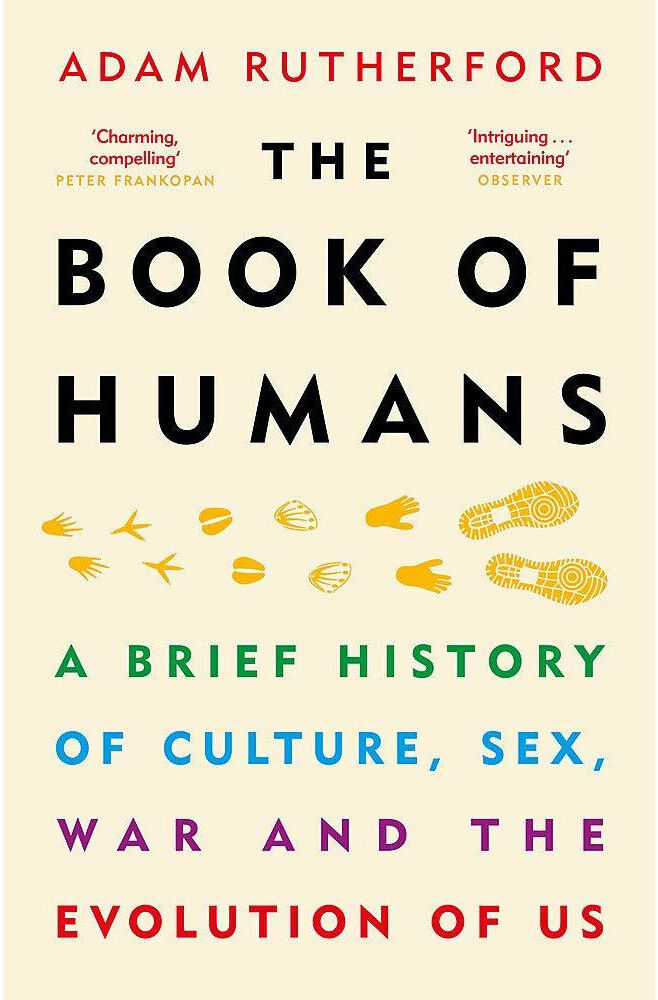
Orion The Book of Humans by Adam Rutherford – A Brief History of Culture, Sex, War & EvolutionWHAT MAKES US HUMAN? Waging war? Sex for pleasure? Creating art? Mastery of fire? In this thrilling tour of the animal kingdom, Adam Rutherford tells the story of how we became the unique creatures we are today. Illuminated by the latest scientific discoveries, THE BOOK OF HUMANS is a dazzling compendium of what unequivocally fixes us as animals, and reveals how we are extraordinary among them.4,98 £*Shipping: 1,99 £Secure redirect to the provider
-
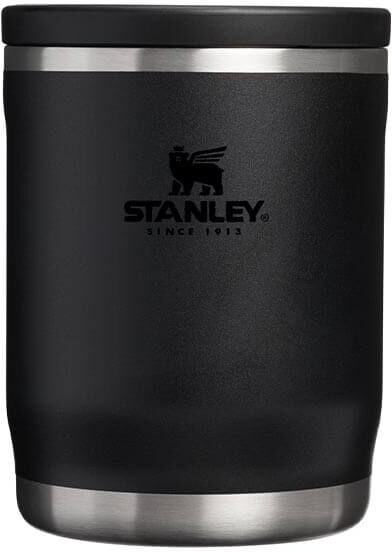
Stanley Adventure To-Go 0.35L Black Food JarThe Stanley Adventure ToGo 0.35L Black Food Jar is designed for those who enjoy meals on the move. Made from durable 18/8 stainless steel, this jar features double-wall vacuum insulation to keep your food hot or cold for up to 6 hours. Its wide opening allows for easy filling and cleaning, making it a practical choice for outdoor adventures or daily commutes. This food jar is BPA-free and leakproof, ensuring that your meals stay secure during travel. It's also dishwasher safe for effortless cleaning, making it suitable for everyday use. Dimensions: 10.7(H) x 10(W) x 10(D)cm Weight: 0.3kg.28,50 £*Shipping: 3,50 £Secure redirect to the provider
-
Stanley Adventure To-Go 0.53L Black Food JarThe Stanley Adventure ToGo 0.53L Black Food Jar is designed for those who enjoy meals on the move. Made from durable 18/8 stainless steel, this jar features double-wall vacuum insulation to keep your food hot or cold for up to 6 hours. Its wide opening allows for easy filling and cleaning, making it a practical choice for outdoor adventures or daily commutes. This food jar is BPA-free and leakproof, ensuring that your meals stay secure during travel. It's also dishwasher safe for effortless cleaning, making it suitable for everyday use. Dimensions: 13.5(H) x 10(W) x 10(D)cm Weight: 0.36kg.31,50 £*Shipping: 3,50 £Secure redirect to the provider
-
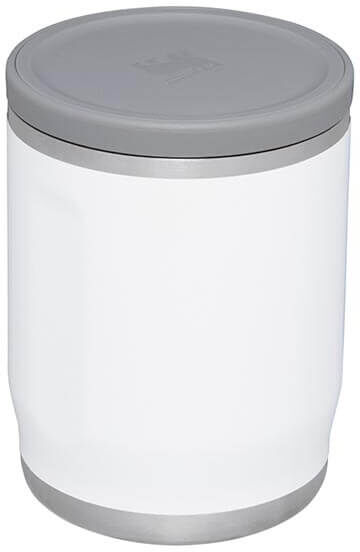
Stanley Adventure To-Go 0.53L Frost Food JarThe Stanley Adventure ToGo 0.53L Frost Food Jar is designed for those who enjoy meals on the move. Made from durable 18/8 stainless steel, this jar features double-wall vacuum insulation to keep your food hot or cold for up to 6 hours. Its wide opening allows for easy filling and cleaning, making it a practical choice for outdoor adventures or daily commutes. This food jar is BPA-free and leakproof, ensuring that your meals stay secure during travel. It's also dishwasher safe for effortless cleaning, making it suitable for everyday use. Dimensions: 13.5(H) x 10(W) x 10(D)cm Weight: 0.36kg.31,50 £*Shipping: 3,50 £Secure redirect to the provider

-
What is the difference between serfdom and manorialism?
Serfdom and manorialism are related systems that were prevalent in medieval Europe. Manorialism refers to the economic system where peasants worked on a lord's estate in exchange for protection and the use of land. Serfdom, on the other hand, refers to the legal and social status of the peasants who were bound to the land they worked on and were considered the property of the lord. In essence, manorialism is the economic system, while serfdom is the social and legal status of the peasants within that system. **
-
What is the difference between lordship and serfdom?
Lordship refers to the status of a noble or landowner who has control and authority over a piece of land and the people living on it. Serfdom, on the other hand, refers to the status of a peasant or laborer who is bound to the land they work on and must provide labor and goods to the lord in exchange for protection and the right to live on the land. In essence, lordship represents the ruling class with power and authority, while serfdom represents the laboring class with limited rights and freedoms. **
-
What is the difference between serfdom and bondage?
Serfdom and bondage are both forms of unfree labor, but they have different historical and cultural contexts. Serfdom was a system of labor in medieval Europe where peasants were bound to the land and required to work for the lord in exchange for protection and the use of land. Bondage, on the other hand, refers to the condition of being enslaved or held as property, often as a result of being captured in war, being born into slavery, or being sold into slavery. While both serfdom and bondage involve the lack of freedom and autonomy, serfdom was tied to the feudal system in Europe, while bondage has been a more widespread and enduring form of unfree labor throughout history. **
-
What is the difference between manorialism and serfdom?
Manorialism refers to the economic system in medieval Europe where land was divided into manors controlled by a lord, who provided protection and resources in exchange for labor and goods from the peasants. Serfdom, on the other hand, was the legal and social status of the peasants who worked the land on the manor. Serfs were bound to the land and could not leave without the lord's permission, whereas manorialism refers to the overall system of land ownership and labor relationships. In essence, manorialism was the economic system, while serfdom was the social status of the laborers within that system. **

Could the history experts please explain the difference between feudalism and serfdom? I appreciate good answers.
Feudalism was a social and economic system that dominated medieval Europe, in which land was held by lords in exchange for military service and protection. Serfdom, on the other hand, was a condition of bondage in which peasants were legally bound to the land they worked and were subject to the control of the lord. While feudalism was the overall system of land ownership and obligations, serfdom was the specific condition of the peasants who worked the land. In essence, feudalism was the system, and serfdom was the status of the peasants within that system. **
Can there be forced labor and serfdom in a democratic state? Justification?
Forced labor and serfdom are generally considered incompatible with the principles of democracy, which prioritize individual freedoms and rights. In a democratic state, citizens are expected to have the right to choose their occupation and work conditions freely. Any form of forced labor or serfdom would violate these fundamental principles and would likely face legal challenges and public outcry. Additionally, international human rights standards and conventions prohibit forced labor and slavery, further reinforcing the incompatibility of these practices with a democratic society. **
Top-Angebote
Products related to Serfdom:
-
From the Archives: Black History and Culture Value PackThis brand-new series is rooted in a profound commitment to shedding light on some of the important -- and often lesser-known -- aspects of Black history. From the Archives features landmarks, events, people, and artistic endeavors that have played...26,99 $*Shipping: 0,00 $Secure redirect to the provider
-
Orion The Book of Humans by Adam Rutherford – A Brief History of Culture, Sex, War & EvolutionWHAT MAKES US HUMAN? Waging war? Sex for pleasure? Creating art? Mastery of fire? In this thrilling tour of the animal kingdom, Adam Rutherford tells the story of how we became the unique creatures we are today. Illuminated by the latest scientific discoveries, THE BOOK OF HUMANS is a dazzling compendium of what unequivocally fixes us as animals, and reveals how we are extraordinary among them.4,98 £*Shipping: 1,99 £Secure redirect to the provider
-
Stanley Adventure To-Go 0.35L Black Food JarThe Stanley Adventure ToGo 0.35L Black Food Jar is designed for those who enjoy meals on the move. Made from durable 18/8 stainless steel, this jar features double-wall vacuum insulation to keep your food hot or cold for up to 6 hours. Its wide opening allows for easy filling and cleaning, making it a practical choice for outdoor adventures or daily commutes. This food jar is BPA-free and leakproof, ensuring that your meals stay secure during travel. It's also dishwasher safe for effortless cleaning, making it suitable for everyday use. Dimensions: 10.7(H) x 10(W) x 10(D)cm Weight: 0.3kg.28,50 £*Shipping: 3,50 £Secure redirect to the provider
-
What are the peculiarities of serfdom?
Serfdom was a system of labor in which individuals were bound to the land they worked on and were under the control of a lord. Serfs were not slaves, as they had some rights and could not be bought or sold, but they were still subject to the authority of their lord. They were required to provide labor, goods, and services to the lord in exchange for protection and the use of land. Serfdom was a common feature of feudal societies in medieval Europe and persisted in some regions until the 19th century. **
-
Will serfdom be reintroduced in the future?
It is highly unlikely that serfdom will be reintroduced in the future. Serfdom was a system of forced labor and servitude that was abolished in most parts of the world during the 19th century. The modern world operates under principles of human rights, freedom, and equality, making the reintroduction of serfdom incompatible with contemporary values and legal frameworks. Additionally, the global economy and labor market have evolved to rely on different forms of employment and compensation, further diminishing the possibility of a return to serfdom. **
-
What is the difference between serfdom and manorialism?
Serfdom and manorialism are related systems that were prevalent in medieval Europe. Manorialism refers to the economic system where peasants worked on a lord's estate in exchange for protection and the use of land. Serfdom, on the other hand, refers to the legal and social status of the peasants who were bound to the land they worked on and were considered the property of the lord. In essence, manorialism is the economic system, while serfdom is the social and legal status of the peasants within that system. **
-
What is the difference between lordship and serfdom?
Lordship refers to the status of a noble or landowner who has control and authority over a piece of land and the people living on it. Serfdom, on the other hand, refers to the status of a peasant or laborer who is bound to the land they work on and must provide labor and goods to the lord in exchange for protection and the right to live on the land. In essence, lordship represents the ruling class with power and authority, while serfdom represents the laboring class with limited rights and freedoms. **
Similar search terms for Serfdom
-
Stanley Adventure To-Go 0.53L Black Food JarThe Stanley Adventure ToGo 0.53L Black Food Jar is designed for those who enjoy meals on the move. Made from durable 18/8 stainless steel, this jar features double-wall vacuum insulation to keep your food hot or cold for up to 6 hours. Its wide opening allows for easy filling and cleaning, making it a practical choice for outdoor adventures or daily commutes. This food jar is BPA-free and leakproof, ensuring that your meals stay secure during travel. It's also dishwasher safe for effortless cleaning, making it suitable for everyday use. Dimensions: 13.5(H) x 10(W) x 10(D)cm Weight: 0.36kg.31,50 £*Shipping: 3,50 £Secure redirect to the provider
-
Stanley Adventure To-Go 0.53L Frost Food JarThe Stanley Adventure ToGo 0.53L Frost Food Jar is designed for those who enjoy meals on the move. Made from durable 18/8 stainless steel, this jar features double-wall vacuum insulation to keep your food hot or cold for up to 6 hours. Its wide opening allows for easy filling and cleaning, making it a practical choice for outdoor adventures or daily commutes. This food jar is BPA-free and leakproof, ensuring that your meals stay secure during travel. It's also dishwasher safe for effortless cleaning, making it suitable for everyday use. Dimensions: 13.5(H) x 10(W) x 10(D)cm Weight: 0.36kg.31,50 £*Shipping: 3,50 £Secure redirect to the provider
-
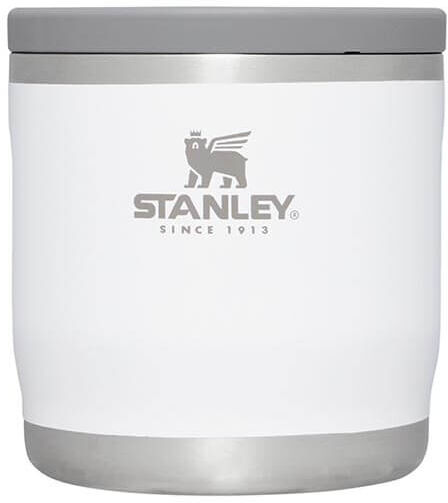
Stanley Adventure To-Go 0.35L Frost Food JarThe Stanley Adventure ToGo 0.35L Frost Food Jar is designed for those who enjoy meals on the move. Made from durable 18/8 stainless steel, this jar features double-wall vacuum insulation to keep your food hot or cold for up to 6 hours. Its wide opening allows for easy filling and cleaning, making it a practical choice for outdoor adventures or daily commutes. This food jar is BPA-free and leakproof, ensuring that your meals stay secure during travel. It's also dishwasher safe for effortless cleaning, making it suitable for everyday use. Dimensions: 10.7(H) x 10(W) x 10(D)cm Weight: 0.3kg.28,50 £*Shipping: 3,50 £Secure redirect to the provider
-
Koolatron Europe Koolatron Europe 24.5L Freezer Pack in Black Black 24.5LCompact portable cooler bag with major thermoelectric cooling power. Save time and money while traveling with fewer stops and no expensive restaurant bills. Fill this soft-sided portable cooler with your favorite food and beverages and plug it into any 12V outlet for reliable iceless cooling. With its 25L capacity, this cooler has plenty of room for all your needs, and it easily collapses when empty for space-saving storage. Add Koolatron's AC adapter (sold separately) to seamlessly transfer the cooling power from your vehicle to the cottage, home, or hotel room. Advanced thermoelectric technology will not be affected by the movement of your vehicle, making this cooler the perfect choice for road trips, family picnics, camping, and boating. Koolatron Europe111,99 £*Shipping: 0,00 £Secure redirect to the provider
-
What is the difference between serfdom and bondage?
Serfdom and bondage are both forms of unfree labor, but they have different historical and cultural contexts. Serfdom was a system of labor in medieval Europe where peasants were bound to the land and required to work for the lord in exchange for protection and the use of land. Bondage, on the other hand, refers to the condition of being enslaved or held as property, often as a result of being captured in war, being born into slavery, or being sold into slavery. While both serfdom and bondage involve the lack of freedom and autonomy, serfdom was tied to the feudal system in Europe, while bondage has been a more widespread and enduring form of unfree labor throughout history. **
-
What is the difference between manorialism and serfdom?
Manorialism refers to the economic system in medieval Europe where land was divided into manors controlled by a lord, who provided protection and resources in exchange for labor and goods from the peasants. Serfdom, on the other hand, was the legal and social status of the peasants who worked the land on the manor. Serfs were bound to the land and could not leave without the lord's permission, whereas manorialism refers to the overall system of land ownership and labor relationships. In essence, manorialism was the economic system, while serfdom was the social status of the laborers within that system. **
-
Could the history experts please explain the difference between feudalism and serfdom? I appreciate good answers.
Feudalism was a social and economic system that dominated medieval Europe, in which land was held by lords in exchange for military service and protection. Serfdom, on the other hand, was a condition of bondage in which peasants were legally bound to the land they worked and were subject to the control of the lord. While feudalism was the overall system of land ownership and obligations, serfdom was the specific condition of the peasants who worked the land. In essence, feudalism was the system, and serfdom was the status of the peasants within that system. **
-
Can there be forced labor and serfdom in a democratic state? Justification?
Forced labor and serfdom are generally considered incompatible with the principles of democracy, which prioritize individual freedoms and rights. In a democratic state, citizens are expected to have the right to choose their occupation and work conditions freely. Any form of forced labor or serfdom would violate these fundamental principles and would likely face legal challenges and public outcry. Additionally, international human rights standards and conventions prohibit forced labor and slavery, further reinforcing the incompatibility of these practices with a democratic society. **
* All prices are inclusive of VAT and, if applicable, plus shipping costs. The offer information is based on the details provided by the respective shop and is updated through automated processes. Real-time updates do not occur, so deviations can occur in individual cases. ** Note: Parts of this content were created by AI.