Buy loran-europe.eu ?
We are moving the project
loran-europe.eu .
Are you interested in purchasing the domain
loran-europe.eu ?
domain@kv-gmbh.de · 0541-91531010
Buy loran-europe.eu ?
What percentage of relatedness is there with relatives?
The percentage of relatedness with relatives depends on the specific relationship. For example, siblings share about 50% of their genetic material, while parents and children share about 50% as well. Grandparents and grandchildren share about 25% of their genetic material. The percentage decreases as the degree of relatedness decreases, such as with cousins who share about 12.5% of their genetic material. Overall, the percentage of relatedness varies depending on the specific familial relationship. **
What percentage of relatedness is there with the uncle?
The percentage of relatedness with an uncle is 25%. This is because an uncle shares 25% of their DNA with their niece or nephew. This is because the uncle and the niece or nephew share one set of grandparents, which accounts for 25% of their genetic material being the same. **

Similar search terms for Relatedness
Top-Angebote
Products related to Relatedness:
-
Stanley Adventure To-Go 0.53L Frost Food JarThe Stanley Adventure ToGo 0.53L Frost Food Jar is designed for those who enjoy meals on the move. Made from durable 18/8 stainless steel, this jar features double-wall vacuum insulation to keep your food hot or cold for up to 6 hours. Its wide opening allows for easy filling and cleaning, making it a practical choice for outdoor adventures or daily commutes. This food jar is BPA-free and leakproof, ensuring that your meals stay secure during travel. It's also dishwasher safe for effortless cleaning, making it suitable for everyday use. Dimensions: 13.5(H) x 10(W) x 10(D)cm Weight: 0.36kg.31,50 £*Shipping: 3,50 £Secure redirect to the provider
-
Stanley Adventure To-Go 0.35L Frost Food JarThe Stanley Adventure ToGo 0.35L Frost Food Jar is designed for those who enjoy meals on the move. Made from durable 18/8 stainless steel, this jar features double-wall vacuum insulation to keep your food hot or cold for up to 6 hours. Its wide opening allows for easy filling and cleaning, making it a practical choice for outdoor adventures or daily commutes. This food jar is BPA-free and leakproof, ensuring that your meals stay secure during travel. It's also dishwasher safe for effortless cleaning, making it suitable for everyday use. Dimensions: 10.7(H) x 10(W) x 10(D)cm Weight: 0.3kg.28,50 £*Shipping: 3,50 £Secure redirect to the provider
-
Stanley Adventure To-Go 0.35L Black Food JarThe Stanley Adventure ToGo 0.35L Black Food Jar is designed for those who enjoy meals on the move. Made from durable 18/8 stainless steel, this jar features double-wall vacuum insulation to keep your food hot or cold for up to 6 hours. Its wide opening allows for easy filling and cleaning, making it a practical choice for outdoor adventures or daily commutes. This food jar is BPA-free and leakproof, ensuring that your meals stay secure during travel. It's also dishwasher safe for effortless cleaning, making it suitable for everyday use. Dimensions: 10.7(H) x 10(W) x 10(D)cm Weight: 0.3kg.28,50 £*Shipping: 3,50 £Secure redirect to the provider




-
How can one represent the relatedness of bears using family trees in biology and evolution?
In biology and evolution, family trees can be used to represent the relatedness of bears by showing the evolutionary relationships between different species and subspecies. By constructing a family tree, scientists can visually depict the common ancestry and divergence of different bear species over time. This can help in understanding the evolutionary history of bears and how they are related to each other. Family trees can also show the genetic relatedness between different bear populations, providing insights into their genetic diversity and conservation. **
-
What methods for determining relatedness exist in evolution and genetics for the biology high school graduation exam?
In evolution and genetics, relatedness can be determined through various methods such as DNA sequencing, phylogenetic analysis, and genetic markers. DNA sequencing involves comparing the genetic material of different organisms to identify similarities and differences, which can help determine their relatedness. Phylogenetic analysis uses the evolutionary relationships between different species to infer their relatedness based on shared ancestry. Genetic markers, such as specific DNA sequences or alleles, can also be used to assess relatedness by comparing the presence or absence of these markers in different individuals or populations. These methods are important for understanding the evolutionary history and genetic relationships between different organisms, and are essential for studying biodiversity and species conservation. **
-
Where would you like to travel in Europe right now and experience adventure?
I would love to travel to the Swiss Alps in Europe right now to experience adventure. I am drawn to the stunning natural beauty of the mountains and the opportunity to engage in outdoor activities such as hiking, skiing, and paragliding. The Swiss Alps offer a perfect combination of adrenaline-pumping adventures and breathtaking scenery, making it an ideal destination for an adventurous trip in Europe. **
-
What is the difference between the botanical and biological concept of relatedness in plants, if such a concept exists?
The botanical concept of relatedness in plants refers to their classification based on their physical characteristics, such as their flower structure, leaf arrangement, and other morphological features. This concept is used to group plants into families, genera, and species based on their shared traits. On the other hand, the biological concept of relatedness in plants focuses on their genetic relationships and evolutionary history. This concept is based on DNA analysis and phylogenetic studies to determine how closely related different plant species are and how they have evolved over time. While both concepts aim to understand the relatedness of plants, the botanical concept focuses on physical traits, while the biological concept focuses on genetic and evolutionary relationships. **


Is Swabian culture the oldest in Europe?
Swabian culture is not the oldest in Europe. The Swabian region, located in present-day Germany, has a rich history dating back to prehistoric times, as evidenced by archaeological sites such as the Swabian Jura. However, there are other cultures in Europe, such as the Minoan civilization in Crete or the ancient cultures of Mesopotamia, that predate Swabian culture by thousands of years. Each of these cultures has contributed to the diverse tapestry of European history and heritage. **
What does fashion have to do with culture?
Fashion is closely tied to culture as it reflects the values, beliefs, and traditions of a society. Different cultures have their own unique styles, materials, and clothing traditions that are influenced by their history, climate, and social norms. Fashion also plays a role in expressing individual and collective identity within a culture, and can be a form of artistic expression and communication. Additionally, fashion can be a way to showcase and preserve cultural heritage, as traditional clothing and designs are often passed down through generations. **
Top-Angebote
Products related to Relatedness:
-
From the Archives: Black History and Culture Value PackThis brand-new series is rooted in a profound commitment to shedding light on some of the important -- and often lesser-known -- aspects of Black history. From the Archives features landmarks, events, people, and artistic endeavors that have played...26,99 $*Shipping: 0,00 $Secure redirect to the provider
-
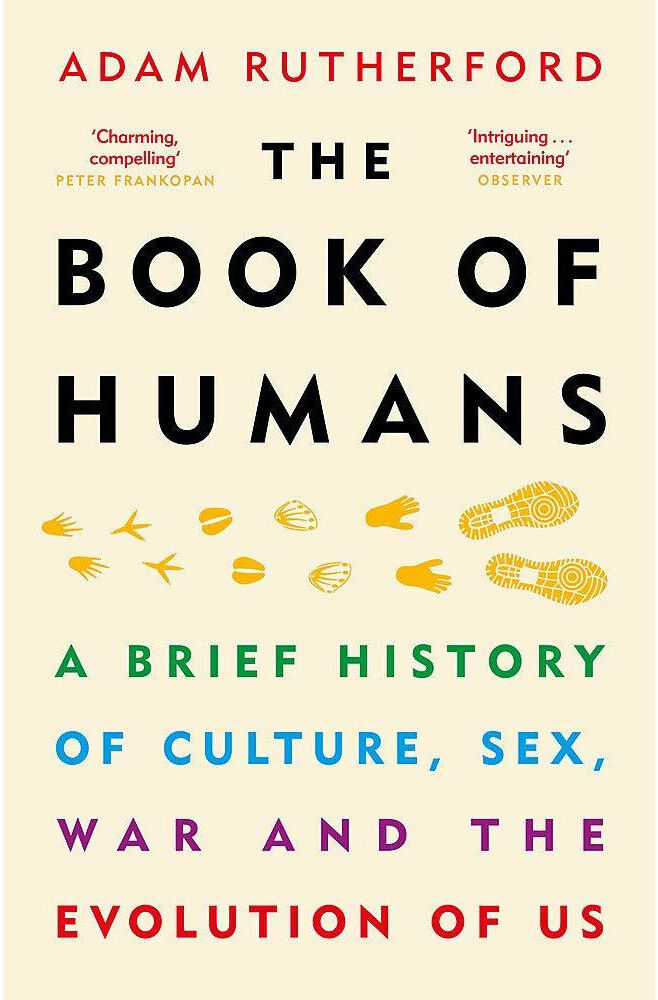
Orion The Book of Humans by Adam Rutherford – A Brief History of Culture, Sex, War & EvolutionWHAT MAKES US HUMAN? Waging war? Sex for pleasure? Creating art? Mastery of fire? In this thrilling tour of the animal kingdom, Adam Rutherford tells the story of how we became the unique creatures we are today. Illuminated by the latest scientific discoveries, THE BOOK OF HUMANS is a dazzling compendium of what unequivocally fixes us as animals, and reveals how we are extraordinary among them.4,98 £*Shipping: 1,99 £Secure redirect to the provider
-
Stanley Adventure To-Go 0.53L Frost Food JarThe Stanley Adventure ToGo 0.53L Frost Food Jar is designed for those who enjoy meals on the move. Made from durable 18/8 stainless steel, this jar features double-wall vacuum insulation to keep your food hot or cold for up to 6 hours. Its wide opening allows for easy filling and cleaning, making it a practical choice for outdoor adventures or daily commutes. This food jar is BPA-free and leakproof, ensuring that your meals stay secure during travel. It's also dishwasher safe for effortless cleaning, making it suitable for everyday use. Dimensions: 13.5(H) x 10(W) x 10(D)cm Weight: 0.36kg.31,50 £*Shipping: 3,50 £Secure redirect to the provider
-
What percentage of relatedness is there with relatives?
The percentage of relatedness with relatives depends on the specific relationship. For example, siblings share about 50% of their genetic material, while parents and children share about 50% as well. Grandparents and grandchildren share about 25% of their genetic material. The percentage decreases as the degree of relatedness decreases, such as with cousins who share about 12.5% of their genetic material. Overall, the percentage of relatedness varies depending on the specific familial relationship. **
-
What percentage of relatedness is there with the uncle?
The percentage of relatedness with an uncle is 25%. This is because an uncle shares 25% of their DNA with their niece or nephew. This is because the uncle and the niece or nephew share one set of grandparents, which accounts for 25% of their genetic material being the same. **
-
How can one represent the relatedness of bears using family trees in biology and evolution?
In biology and evolution, family trees can be used to represent the relatedness of bears by showing the evolutionary relationships between different species and subspecies. By constructing a family tree, scientists can visually depict the common ancestry and divergence of different bear species over time. This can help in understanding the evolutionary history of bears and how they are related to each other. Family trees can also show the genetic relatedness between different bear populations, providing insights into their genetic diversity and conservation. **
-
What methods for determining relatedness exist in evolution and genetics for the biology high school graduation exam?
In evolution and genetics, relatedness can be determined through various methods such as DNA sequencing, phylogenetic analysis, and genetic markers. DNA sequencing involves comparing the genetic material of different organisms to identify similarities and differences, which can help determine their relatedness. Phylogenetic analysis uses the evolutionary relationships between different species to infer their relatedness based on shared ancestry. Genetic markers, such as specific DNA sequences or alleles, can also be used to assess relatedness by comparing the presence or absence of these markers in different individuals or populations. These methods are important for understanding the evolutionary history and genetic relationships between different organisms, and are essential for studying biodiversity and species conservation. **
Similar search terms for Relatedness
-
Stanley Adventure To-Go 0.35L Frost Food JarThe Stanley Adventure ToGo 0.35L Frost Food Jar is designed for those who enjoy meals on the move. Made from durable 18/8 stainless steel, this jar features double-wall vacuum insulation to keep your food hot or cold for up to 6 hours. Its wide opening allows for easy filling and cleaning, making it a practical choice for outdoor adventures or daily commutes. This food jar is BPA-free and leakproof, ensuring that your meals stay secure during travel. It's also dishwasher safe for effortless cleaning, making it suitable for everyday use. Dimensions: 10.7(H) x 10(W) x 10(D)cm Weight: 0.3kg.28,50 £*Shipping: 3,50 £Secure redirect to the provider
-
Stanley Adventure To-Go 0.35L Black Food JarThe Stanley Adventure ToGo 0.35L Black Food Jar is designed for those who enjoy meals on the move. Made from durable 18/8 stainless steel, this jar features double-wall vacuum insulation to keep your food hot or cold for up to 6 hours. Its wide opening allows for easy filling and cleaning, making it a practical choice for outdoor adventures or daily commutes. This food jar is BPA-free and leakproof, ensuring that your meals stay secure during travel. It's also dishwasher safe for effortless cleaning, making it suitable for everyday use. Dimensions: 10.7(H) x 10(W) x 10(D)cm Weight: 0.3kg.28,50 £*Shipping: 3,50 £Secure redirect to the provider
-
Stanley Adventure To-Go 0.53L Black Food JarThe Stanley Adventure ToGo 0.53L Black Food Jar is designed for those who enjoy meals on the move. Made from durable 18/8 stainless steel, this jar features double-wall vacuum insulation to keep your food hot or cold for up to 6 hours. Its wide opening allows for easy filling and cleaning, making it a practical choice for outdoor adventures or daily commutes. This food jar is BPA-free and leakproof, ensuring that your meals stay secure during travel. It's also dishwasher safe for effortless cleaning, making it suitable for everyday use. Dimensions: 13.5(H) x 10(W) x 10(D)cm Weight: 0.36kg.31,50 £*Shipping: 3,50 £Secure redirect to the provider
-
Koolatron Europe Koolatron Europe 24.5L Freezer Pack in Black Black 24.5LCompact portable cooler bag with major thermoelectric cooling power. Save time and money while traveling with fewer stops and no expensive restaurant bills. Fill this soft-sided portable cooler with your favorite food and beverages and plug it into any 12V outlet for reliable iceless cooling. With its 25L capacity, this cooler has plenty of room for all your needs, and it easily collapses when empty for space-saving storage. Add Koolatron's AC adapter (sold separately) to seamlessly transfer the cooling power from your vehicle to the cottage, home, or hotel room. Advanced thermoelectric technology will not be affected by the movement of your vehicle, making this cooler the perfect choice for road trips, family picnics, camping, and boating. Koolatron Europe111,99 £*Shipping: 0,00 £Secure redirect to the provider
-
Where would you like to travel in Europe right now and experience adventure?
I would love to travel to the Swiss Alps in Europe right now to experience adventure. I am drawn to the stunning natural beauty of the mountains and the opportunity to engage in outdoor activities such as hiking, skiing, and paragliding. The Swiss Alps offer a perfect combination of adrenaline-pumping adventures and breathtaking scenery, making it an ideal destination for an adventurous trip in Europe. **
-
What is the difference between the botanical and biological concept of relatedness in plants, if such a concept exists?
The botanical concept of relatedness in plants refers to their classification based on their physical characteristics, such as their flower structure, leaf arrangement, and other morphological features. This concept is used to group plants into families, genera, and species based on their shared traits. On the other hand, the biological concept of relatedness in plants focuses on their genetic relationships and evolutionary history. This concept is based on DNA analysis and phylogenetic studies to determine how closely related different plant species are and how they have evolved over time. While both concepts aim to understand the relatedness of plants, the botanical concept focuses on physical traits, while the biological concept focuses on genetic and evolutionary relationships. **
-
Is Swabian culture the oldest in Europe?
Swabian culture is not the oldest in Europe. The Swabian region, located in present-day Germany, has a rich history dating back to prehistoric times, as evidenced by archaeological sites such as the Swabian Jura. However, there are other cultures in Europe, such as the Minoan civilization in Crete or the ancient cultures of Mesopotamia, that predate Swabian culture by thousands of years. Each of these cultures has contributed to the diverse tapestry of European history and heritage. **
-
What does fashion have to do with culture?
Fashion is closely tied to culture as it reflects the values, beliefs, and traditions of a society. Different cultures have their own unique styles, materials, and clothing traditions that are influenced by their history, climate, and social norms. Fashion also plays a role in expressing individual and collective identity within a culture, and can be a form of artistic expression and communication. Additionally, fashion can be a way to showcase and preserve cultural heritage, as traditional clothing and designs are often passed down through generations. **
* All prices are inclusive of VAT and, if applicable, plus shipping costs. The offer information is based on the details provided by the respective shop and is updated through automated processes. Real-time updates do not occur, so deviations can occur in individual cases. ** Note: Parts of this content were created by AI.