Buy loran-europe.eu ?
We are moving the project
loran-europe.eu .
Are you interested in purchasing the domain
loran-europe.eu ?
domain@kv-gmbh.de · 0541-91531010
Buy loran-europe.eu ?
What is a Ridex cabin air filter?
A Ridex cabin air filter is a type of air filter designed specifically for the cabin of a vehicle. It is installed in the HVAC system of the car to help improve the air quality inside the cabin by filtering out dust, pollen, and other airborne particles. This can help reduce allergens and pollutants inside the vehicle, creating a cleaner and healthier environment for the occupants. Ridex cabin air filters are typically made with high-quality materials and are designed to be a direct replacement for the original filter in the vehicle. **
What about the Simson secondary air?
The Simson secondary air system is a feature in some Simson two-stroke engines that helps to improve combustion efficiency and reduce emissions. It works by introducing additional air into the combustion chamber during the scavenging process, which helps to burn any remaining fuel and reduce the amount of unburned hydrocarbons in the exhaust. This system can contribute to a cleaner and more efficient operation of the engine, leading to better performance and reduced environmental impact. **
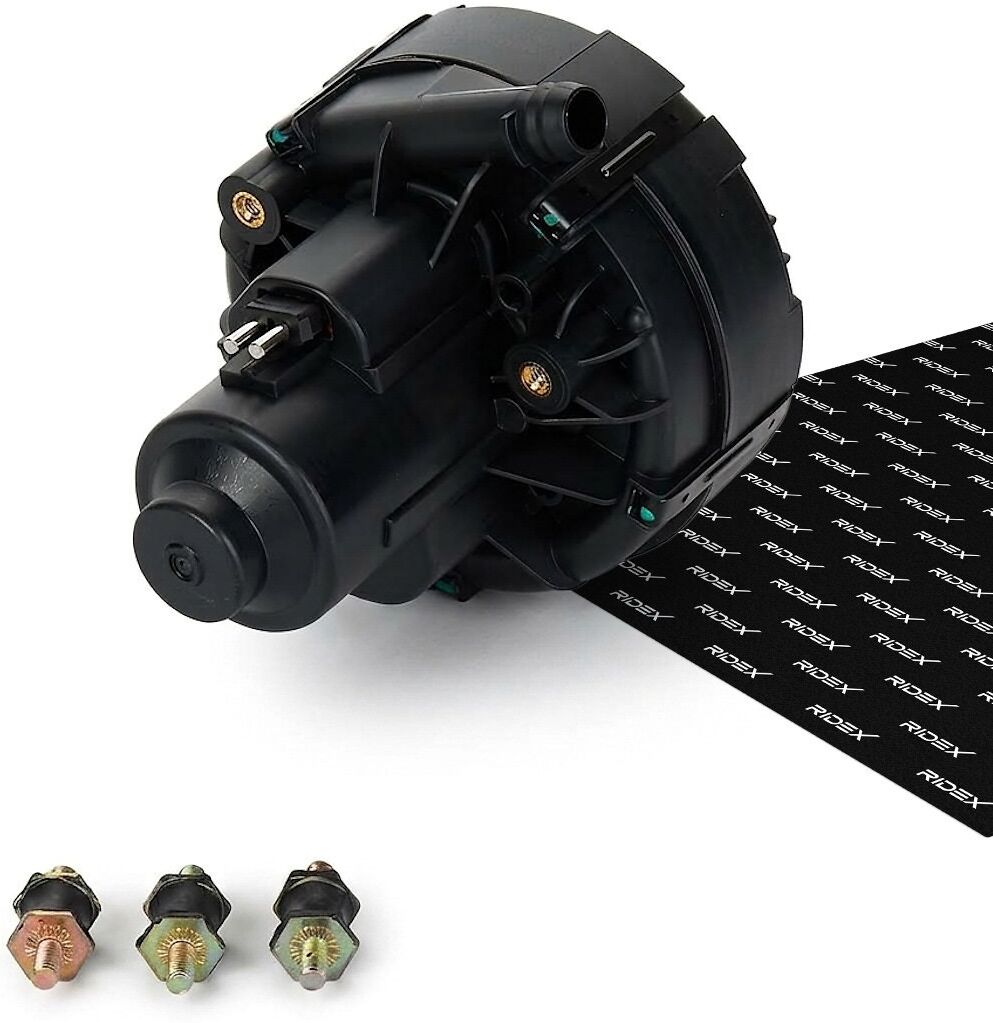

Similar search terms for RIDEX-903S0003-Secondary-Air
Top-Angebote
Products related to RIDEX-903S0003-Secondary-Air:
-
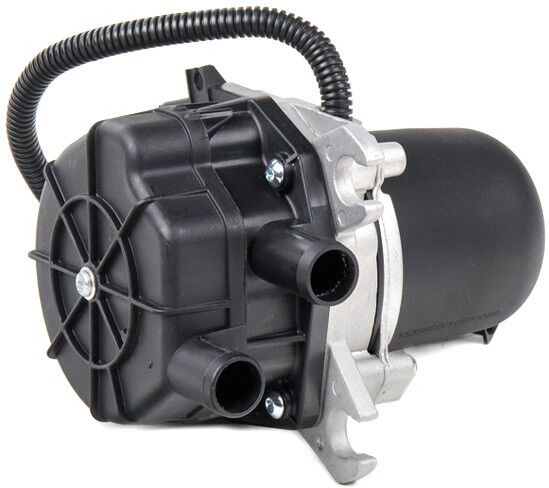
RIDEX 903S0007 Secondary Air PumpVoltage [V]: 12; Operating Mode: Electric; Packaging Depth [cm]: 20; Number of pins: 2; Connector Shape: D Shape; Engine Code: TU3JP, TU1JP; Emissions Standard: Euro 3 (D3), Euro 4 (D4), Euro 3/Euro 4; Construction Year to: 09/2000; Construction Year from: 10/2000114,99 £*Shipping: 8,45 £Secure redirect to the provider
-
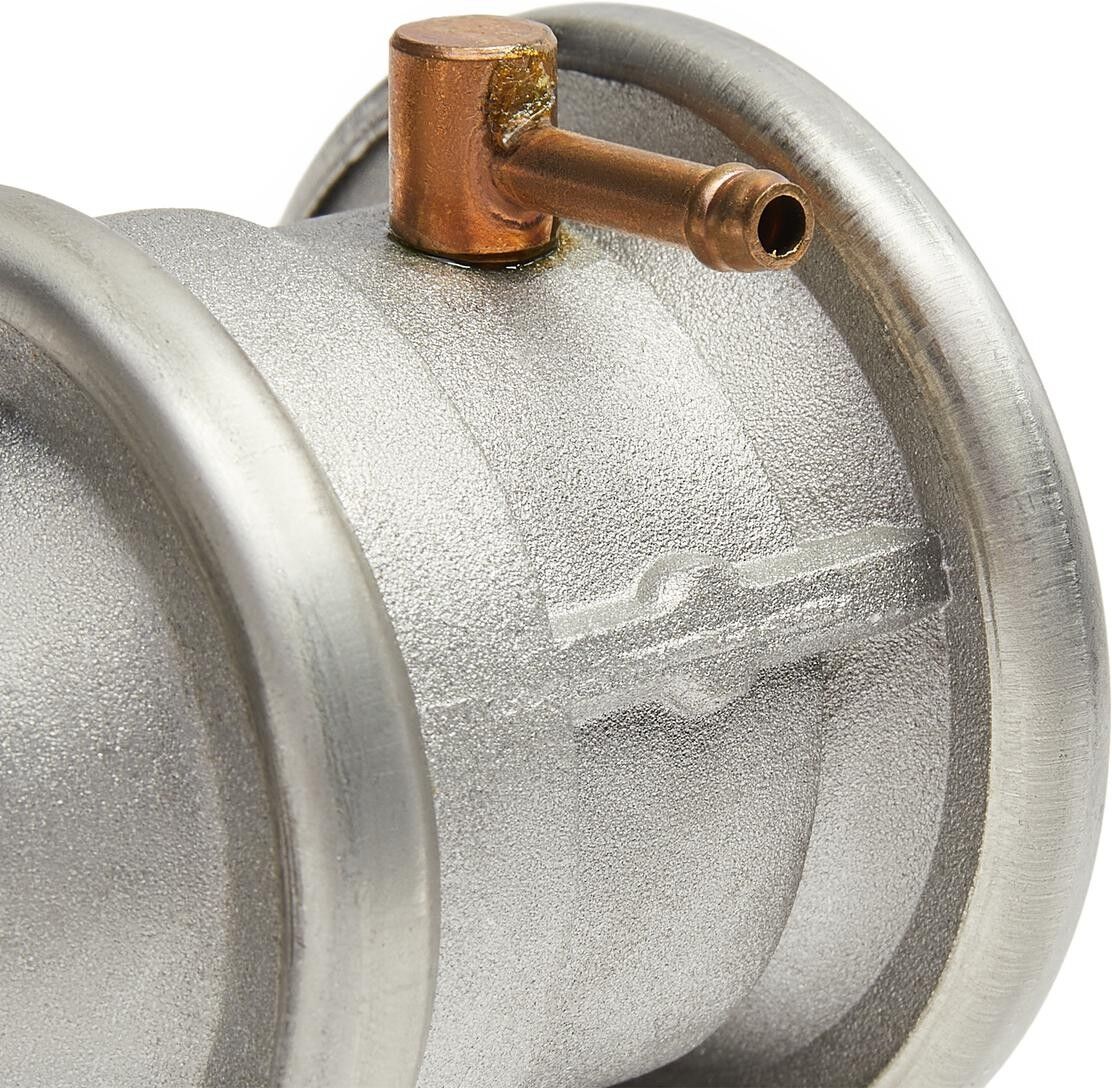
RIDEX 863V0006 Secondary air pump check valveValve Type: Shut-Off Valve, Non-Return Valve; Operating Mode: pneumatic; Supplementary Article / Supplementary Info: with gasket/seal; Construction Year from: 09/2001; Construction Year to: 03/2003; Country Specific Design: USA; TecDoc PC Type Number: 15448, 15450, 15452, 15453, 46023, 124765, 126075, 106991, 35672, 35660, 35659, 35679, 35677, 15449, 15451, 15454, 15455, 15456, 15457, 15925, 55607, 105983, 105993, 52055, 14802, 14803, 14921, 14922, 14923, 14926, 30325, 9092, 11319, 11368, 9091, 10502, 14397, 122008, 126118, 126122, 8964, 10503, 12140, 123214; TecDoc Engine Number: 28217, 2838359,99 £*Shipping: 8,45 £Secure redirect to the provider


-
Is there a wood stove without secondary air?
Yes, there are wood stoves without secondary air systems. These types of wood stoves rely solely on primary air intake for combustion. While secondary air systems are common in modern wood stoves to improve efficiency and reduce emissions, older or simpler models may not have this feature. It is important to consider the design and features of a wood stove when choosing one for your home to ensure it meets your needs and preferences. **
-
What is the secondary air system in a scooter?
The secondary air system in a scooter is a part of the emissions control system. It helps reduce harmful emissions by introducing fresh air into the exhaust system to help burn any unburned fuel. This process helps to reduce the amount of pollutants released into the environment. The secondary air system is an important component in ensuring that scooters and other vehicles meet emissions standards and regulations. **
-
Are air travel still appropriate?
Air travel can still be appropriate for certain situations, such as long-distance travel or emergencies. However, it is important to consider the environmental impact of air travel, as it contributes to carbon emissions and climate change. It is advisable to explore alternative modes of transportation, such as trains or buses, for shorter distances or when feasible. Additionally, advancements in technology and sustainable aviation practices are being developed to make air travel more environmentally friendly in the future. **
-
How is the vacuum created in the manifold of the secondary air system (SLS)?
The vacuum in the manifold of the secondary air system (SLS) is created by the engine's intake stroke. During this stroke, the downward movement of the piston creates a low-pressure area in the intake manifold. This low-pressure area causes air to be drawn in from the secondary air system, creating a vacuum. This vacuum helps to pull fresh air into the exhaust system to aid in the combustion of unburned hydrocarbons. **

Can you become an air traffic controller with a secondary school diploma and training?
Becoming an air traffic controller typically requires a post-secondary education, such as an associate's or bachelor's degree in aviation or a related field. While a secondary school diploma may not be sufficient on its own, some air traffic control programs may accept candidates with a diploma if they complete additional training and meet other requirements. It is important to research the specific qualifications and requirements of the air traffic control program you are interested in to determine if a secondary school diploma and training would be sufficient. **
What does it mean when there is insufficient compression in the secondary air system?
Insufficient compression in the secondary air system typically means that there is not enough pressure being generated to effectively introduce fresh air into the exhaust system for proper emissions control. This can lead to incomplete combustion of fuel, resulting in higher emissions of pollutants such as hydrocarbons and carbon monoxide. It can also cause a decrease in engine performance and fuel efficiency. Addressing this issue promptly is important to ensure the vehicle meets emission standards and operates efficiently. **
Top-Angebote
Products related to RIDEX-903S0003-Secondary-Air:
-
RIDEX 903S0003 Secondary Air PumpRecommended additional repairs: Relay; Operating Mode: Electric; Number of pins: 2; Voltage [V]: 12; Construction Year to: 07/2011, 12/2009, 06/2011, 04/2009, 02/2009, 01/2011, 10/2012, 12/2007, 07/2010, 08/2011, 09/2010, 12/2010, 03/2009, 05/2010, 12/2011, 12/2014, 09/2009, 11/2010, 09/2011, 08/2013, 12/2012, 12/2015; Construction Year from: 04/2009, 08/2007, 03/2007; TecDoc Engine Number: 25593, 20908, 23778, 19209; Engine Code: M 273.967<E 55>148,99 £*Shipping: 1,99 £Secure redirect to the provider
-
RIDEX 903S0002 Secondary Air PumpOperating Mode: Electric; Number of pins: 2; Voltage [V]: 12; Vehicle Identification Number (VIN) from: 1K 9 900 001, 1K 9 400 001, 8D Y 100 001, 1Z 9 000 001, 4B Y 120 001, 1J Y 000 001, 4B 1 120 001, 1M X 000 001, 1E 1 000 001, 1J W 000 001, 8E 1 000 001, 1K 4 000 001, 4F 5 000 001, 1Z 4 000 001, 6L 2 000 001, 1P 6 000 001; Engine Code: CCSA, CMXA, ANA, ARG, AVV, ANB,AWT, ATM, AMX,AQD, APF, APG, ALF,AML,ARJ, ALG,AMX,AQD, AML,ARJ, ARH, AWC, AEG, AQY, AVH, AZG, AZJ, BEV, AZH, AWG, AQP,AUE, BDE, AQY,AZH,AZJ, AWU,AWV,BKF, AYL, AZM, AWT, AVU, BFQ, AMM, BGU,BSE,BSF, BGU,BSE, BGU, BSE, BSF, BSE,CCSA, AZL, BSE,BSF, BSE,BSF,CCSA; Transmission Type: Automatic Transmission; Vehicle Identification Number (VIN) to: 1M X 025 000, 8E 5 400 000, 3C B 050 000; not for engine code: BSF65,99 £*Shipping: 8,45 £Secure redirect to the provider
-
RIDEX 903S0007 Secondary Air PumpVoltage [V]: 12; Operating Mode: Electric; Packaging Depth [cm]: 20; Number of pins: 2; Connector Shape: D Shape; Engine Code: TU3JP, TU1JP; Emissions Standard: Euro 3 (D3), Euro 4 (D4), Euro 3/Euro 4; Construction Year to: 09/2000; Construction Year from: 10/2000114,99 £*Shipping: 8,45 £Secure redirect to the provider
-
What is a Ridex cabin air filter?
A Ridex cabin air filter is a type of air filter designed specifically for the cabin of a vehicle. It is installed in the HVAC system of the car to help improve the air quality inside the cabin by filtering out dust, pollen, and other airborne particles. This can help reduce allergens and pollutants inside the vehicle, creating a cleaner and healthier environment for the occupants. Ridex cabin air filters are typically made with high-quality materials and are designed to be a direct replacement for the original filter in the vehicle. **
-
What about the Simson secondary air?
The Simson secondary air system is a feature in some Simson two-stroke engines that helps to improve combustion efficiency and reduce emissions. It works by introducing additional air into the combustion chamber during the scavenging process, which helps to burn any remaining fuel and reduce the amount of unburned hydrocarbons in the exhaust. This system can contribute to a cleaner and more efficient operation of the engine, leading to better performance and reduced environmental impact. **
-
Is there a wood stove without secondary air?
Yes, there are wood stoves without secondary air systems. These types of wood stoves rely solely on primary air intake for combustion. While secondary air systems are common in modern wood stoves to improve efficiency and reduce emissions, older or simpler models may not have this feature. It is important to consider the design and features of a wood stove when choosing one for your home to ensure it meets your needs and preferences. **
-
What is the secondary air system in a scooter?
The secondary air system in a scooter is a part of the emissions control system. It helps reduce harmful emissions by introducing fresh air into the exhaust system to help burn any unburned fuel. This process helps to reduce the amount of pollutants released into the environment. The secondary air system is an important component in ensuring that scooters and other vehicles meet emissions standards and regulations. **
Similar search terms for RIDEX-903S0003-Secondary-Air
-
RIDEX 863V0006 Secondary air pump check valveValve Type: Shut-Off Valve, Non-Return Valve; Operating Mode: pneumatic; Supplementary Article / Supplementary Info: with gasket/seal; Construction Year from: 09/2001; Construction Year to: 03/2003; Country Specific Design: USA; TecDoc PC Type Number: 15448, 15450, 15452, 15453, 46023, 124765, 126075, 106991, 35672, 35660, 35659, 35679, 35677, 15449, 15451, 15454, 15455, 15456, 15457, 15925, 55607, 105983, 105993, 52055, 14802, 14803, 14921, 14922, 14923, 14926, 30325, 9092, 11319, 11368, 9091, 10502, 14397, 122008, 126118, 126122, 8964, 10503, 12140, 123214; TecDoc Engine Number: 28217, 2838359,99 £*Shipping: 8,45 £Secure redirect to the provider
-
Are air travel still appropriate?
Air travel can still be appropriate for certain situations, such as long-distance travel or emergencies. However, it is important to consider the environmental impact of air travel, as it contributes to carbon emissions and climate change. It is advisable to explore alternative modes of transportation, such as trains or buses, for shorter distances or when feasible. Additionally, advancements in technology and sustainable aviation practices are being developed to make air travel more environmentally friendly in the future. **
-
How is the vacuum created in the manifold of the secondary air system (SLS)?
The vacuum in the manifold of the secondary air system (SLS) is created by the engine's intake stroke. During this stroke, the downward movement of the piston creates a low-pressure area in the intake manifold. This low-pressure area causes air to be drawn in from the secondary air system, creating a vacuum. This vacuum helps to pull fresh air into the exhaust system to aid in the combustion of unburned hydrocarbons. **
-
Can you become an air traffic controller with a secondary school diploma and training?
Becoming an air traffic controller typically requires a post-secondary education, such as an associate's or bachelor's degree in aviation or a related field. While a secondary school diploma may not be sufficient on its own, some air traffic control programs may accept candidates with a diploma if they complete additional training and meet other requirements. It is important to research the specific qualifications and requirements of the air traffic control program you are interested in to determine if a secondary school diploma and training would be sufficient. **
-
What does it mean when there is insufficient compression in the secondary air system?
Insufficient compression in the secondary air system typically means that there is not enough pressure being generated to effectively introduce fresh air into the exhaust system for proper emissions control. This can lead to incomplete combustion of fuel, resulting in higher emissions of pollutants such as hydrocarbons and carbon monoxide. It can also cause a decrease in engine performance and fuel efficiency. Addressing this issue promptly is important to ensure the vehicle meets emission standards and operates efficiently. **
* All prices are inclusive of VAT and, if applicable, plus shipping costs. The offer information is based on the details provided by the respective shop and is updated through automated processes. Real-time updates do not occur, so deviations can occur in individual cases. ** Note: Parts of this content were created by AI.