Buy loran-europe.eu ?
We are moving the project
loran-europe.eu .
Are you interested in purchasing the domain
loran-europe.eu ?
domain@kv-gmbh.de · 0541-91531010
Buy loran-europe.eu ?
Were there already giant squids in the Cretaceous period?
Yes, there were already giant squids in the Cretaceous period. Fossil evidence suggests that large squids, similar to modern-day giant squids, existed during this time. These ancient squids likely roamed the oceans alongside other prehistoric marine creatures. The presence of giant squids in the Cretaceous period indicates that these fascinating creatures have been around for millions of years. **
Did the Allosaurus also live in the early Cretaceous period?
Yes, the Allosaurus lived during the late Jurassic period, which was before the early Cretaceous period. Allosaurus was a large theropod dinosaur that roamed North America around 155 to 150 million years ago. By the time the early Cretaceous period began, Allosaurus had already become extinct. **


Similar search terms for Cretaceous
Top-Angebote
Products related to Cretaceous:
-
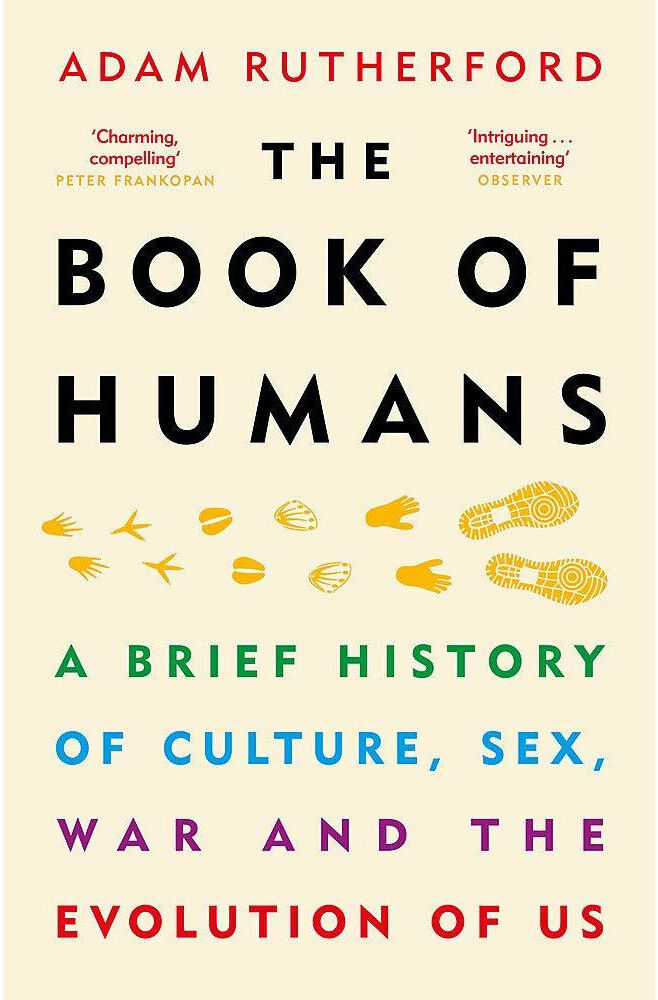
Orion The Book of Humans by Adam Rutherford – A Brief History of Culture, Sex, War & EvolutionWHAT MAKES US HUMAN? Waging war? Sex for pleasure? Creating art? Mastery of fire? In this thrilling tour of the animal kingdom, Adam Rutherford tells the story of how we became the unique creatures we are today. Illuminated by the latest scientific discoveries, THE BOOK OF HUMANS is a dazzling compendium of what unequivocally fixes us as animals, and reveals how we are extraordinary among them.4,98 £*Shipping: 1,99 £Secure redirect to the provider
-
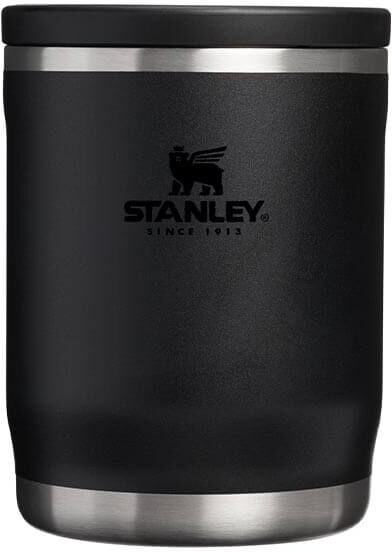
Stanley Adventure To-Go 0.35L Black Food JarThe Stanley Adventure ToGo 0.35L Black Food Jar is designed for those who enjoy meals on the move. Made from durable 18/8 stainless steel, this jar features double-wall vacuum insulation to keep your food hot or cold for up to 6 hours. Its wide opening allows for easy filling and cleaning, making it a practical choice for outdoor adventures or daily commutes. This food jar is BPA-free and leakproof, ensuring that your meals stay secure during travel. It's also dishwasher safe for effortless cleaning, making it suitable for everyday use. Dimensions: 10.7(H) x 10(W) x 10(D)cm Weight: 0.3kg.28,50 £*Shipping: 3,50 £Secure redirect to the provider
-
Stanley Adventure To-Go 0.53L Black Food JarThe Stanley Adventure ToGo 0.53L Black Food Jar is designed for those who enjoy meals on the move. Made from durable 18/8 stainless steel, this jar features double-wall vacuum insulation to keep your food hot or cold for up to 6 hours. Its wide opening allows for easy filling and cleaning, making it a practical choice for outdoor adventures or daily commutes. This food jar is BPA-free and leakproof, ensuring that your meals stay secure during travel. It's also dishwasher safe for effortless cleaning, making it suitable for everyday use. Dimensions: 13.5(H) x 10(W) x 10(D)cm Weight: 0.36kg.31,50 £*Shipping: 3,50 £Secure redirect to the provider
-
Stanley Adventure To-Go 0.53L Frost Food JarThe Stanley Adventure ToGo 0.53L Frost Food Jar is designed for those who enjoy meals on the move. Made from durable 18/8 stainless steel, this jar features double-wall vacuum insulation to keep your food hot or cold for up to 6 hours. Its wide opening allows for easy filling and cleaning, making it a practical choice for outdoor adventures or daily commutes. This food jar is BPA-free and leakproof, ensuring that your meals stay secure during travel. It's also dishwasher safe for effortless cleaning, making it suitable for everyday use. Dimensions: 13.5(H) x 10(W) x 10(D)cm Weight: 0.36kg.31,50 £*Shipping: 3,50 £Secure redirect to the provider


-
Could humans have survived in the Cretaceous period with its changed atmosphere?
It is unlikely that humans could have survived in the Cretaceous period with its changed atmosphere. The atmosphere during the Cretaceous period had much higher levels of carbon dioxide, which would have made it difficult for humans to breathe. Additionally, the climate was much warmer and sea levels were higher, which would have made it challenging for humans to find suitable habitats and resources for survival. Overall, the environmental conditions during the Cretaceous period would have been inhospitable for human survival. **
-
Could humans have lived in the Cretaceous period with the changed atmosphere?
It is unlikely that humans could have lived in the Cretaceous period with the significantly different atmosphere that existed during that time. The atmosphere during the Cretaceous period had much higher levels of carbon dioxide, which would have made it difficult for humans to breathe. Additionally, the climate and environmental conditions during the Cretaceous period were very different from what humans are adapted to, making it challenging for them to survive. Overall, the changed atmosphere of the Cretaceous period would have presented numerous obstacles for human life. **
-
Could humans have survived in the Cretaceous period with the changed atmosphere?
It is unlikely that humans could have survived in the Cretaceous period with the changed atmosphere. The atmospheric conditions during the Cretaceous period were significantly different from what humans require to survive. The high levels of carbon dioxide and other gases in the atmosphere would have made it difficult for humans to breathe, and the extreme temperatures and different plant and animal species would have posed additional challenges for human survival. Overall, the conditions in the Cretaceous period were not conducive to human life as we know it today. **
-
What do bats have to do with the extinction in the Cretaceous period?
Bats did not have a direct role in the extinction event that occurred in the Cretaceous period. The extinction event, known as the Cretaceous-Paleogene extinction event, is widely believed to have been caused by a massive asteroid impact, which led to the extinction of the dinosaurs and many other species. Bats, as we know them today, did not appear until after this extinction event, during the early Eocene epoch, which was around 50 million years ago. Therefore, bats were not involved in the extinction event that occurred during the Cretaceous period. **


Why did the large marine reptiles become extinct at the end of the Cretaceous period?
The extinction of large marine reptiles at the end of the Cretaceous period is believed to be primarily due to the catastrophic event that occurred 66 million years ago, known as the Chicxulub impact. This impact is thought to have caused widespread environmental devastation, including massive tsunamis, wildfires, and a nuclear winter-like effect from the dust and debris thrown into the atmosphere, leading to a significant disruption in the marine food chain. Additionally, the changing climate and sea levels during this time may have also contributed to the decline of these marine reptiles. **
Where would you like to travel in Europe right now and experience adventure?
I would love to travel to the Swiss Alps in Europe right now to experience adventure. I am drawn to the stunning natural beauty of the mountains and the opportunity to engage in outdoor activities such as hiking, skiing, and paragliding. The Swiss Alps offer a perfect combination of adrenaline-pumping adventures and breathtaking scenery, making it an ideal destination for an adventurous trip in Europe. **
Top-Angebote
Products related to Cretaceous:
-
From the Archives: Black History and Culture Value PackThis brand-new series is rooted in a profound commitment to shedding light on some of the important -- and often lesser-known -- aspects of Black history. From the Archives features landmarks, events, people, and artistic endeavors that have played...26,99 $*Shipping: 0,00 $Secure redirect to the provider
-
Orion The Book of Humans by Adam Rutherford – A Brief History of Culture, Sex, War & EvolutionWHAT MAKES US HUMAN? Waging war? Sex for pleasure? Creating art? Mastery of fire? In this thrilling tour of the animal kingdom, Adam Rutherford tells the story of how we became the unique creatures we are today. Illuminated by the latest scientific discoveries, THE BOOK OF HUMANS is a dazzling compendium of what unequivocally fixes us as animals, and reveals how we are extraordinary among them.4,98 £*Shipping: 1,99 £Secure redirect to the provider
-
Stanley Adventure To-Go 0.35L Black Food JarThe Stanley Adventure ToGo 0.35L Black Food Jar is designed for those who enjoy meals on the move. Made from durable 18/8 stainless steel, this jar features double-wall vacuum insulation to keep your food hot or cold for up to 6 hours. Its wide opening allows for easy filling and cleaning, making it a practical choice for outdoor adventures or daily commutes. This food jar is BPA-free and leakproof, ensuring that your meals stay secure during travel. It's also dishwasher safe for effortless cleaning, making it suitable for everyday use. Dimensions: 10.7(H) x 10(W) x 10(D)cm Weight: 0.3kg.28,50 £*Shipping: 3,50 £Secure redirect to the provider
-
Were there already giant squids in the Cretaceous period?
Yes, there were already giant squids in the Cretaceous period. Fossil evidence suggests that large squids, similar to modern-day giant squids, existed during this time. These ancient squids likely roamed the oceans alongside other prehistoric marine creatures. The presence of giant squids in the Cretaceous period indicates that these fascinating creatures have been around for millions of years. **
-
Did the Allosaurus also live in the early Cretaceous period?
Yes, the Allosaurus lived during the late Jurassic period, which was before the early Cretaceous period. Allosaurus was a large theropod dinosaur that roamed North America around 155 to 150 million years ago. By the time the early Cretaceous period began, Allosaurus had already become extinct. **
-
Could humans have survived in the Cretaceous period with its changed atmosphere?
It is unlikely that humans could have survived in the Cretaceous period with its changed atmosphere. The atmosphere during the Cretaceous period had much higher levels of carbon dioxide, which would have made it difficult for humans to breathe. Additionally, the climate was much warmer and sea levels were higher, which would have made it challenging for humans to find suitable habitats and resources for survival. Overall, the environmental conditions during the Cretaceous period would have been inhospitable for human survival. **
-
Could humans have lived in the Cretaceous period with the changed atmosphere?
It is unlikely that humans could have lived in the Cretaceous period with the significantly different atmosphere that existed during that time. The atmosphere during the Cretaceous period had much higher levels of carbon dioxide, which would have made it difficult for humans to breathe. Additionally, the climate and environmental conditions during the Cretaceous period were very different from what humans are adapted to, making it challenging for them to survive. Overall, the changed atmosphere of the Cretaceous period would have presented numerous obstacles for human life. **
Similar search terms for Cretaceous
-
Stanley Adventure To-Go 0.53L Black Food JarThe Stanley Adventure ToGo 0.53L Black Food Jar is designed for those who enjoy meals on the move. Made from durable 18/8 stainless steel, this jar features double-wall vacuum insulation to keep your food hot or cold for up to 6 hours. Its wide opening allows for easy filling and cleaning, making it a practical choice for outdoor adventures or daily commutes. This food jar is BPA-free and leakproof, ensuring that your meals stay secure during travel. It's also dishwasher safe for effortless cleaning, making it suitable for everyday use. Dimensions: 13.5(H) x 10(W) x 10(D)cm Weight: 0.36kg.31,50 £*Shipping: 3,50 £Secure redirect to the provider
-
Stanley Adventure To-Go 0.53L Frost Food JarThe Stanley Adventure ToGo 0.53L Frost Food Jar is designed for those who enjoy meals on the move. Made from durable 18/8 stainless steel, this jar features double-wall vacuum insulation to keep your food hot or cold for up to 6 hours. Its wide opening allows for easy filling and cleaning, making it a practical choice for outdoor adventures or daily commutes. This food jar is BPA-free and leakproof, ensuring that your meals stay secure during travel. It's also dishwasher safe for effortless cleaning, making it suitable for everyday use. Dimensions: 13.5(H) x 10(W) x 10(D)cm Weight: 0.36kg.31,50 £*Shipping: 3,50 £Secure redirect to the provider
-
Stanley Adventure To-Go 0.35L Frost Food JarThe Stanley Adventure ToGo 0.35L Frost Food Jar is designed for those who enjoy meals on the move. Made from durable 18/8 stainless steel, this jar features double-wall vacuum insulation to keep your food hot or cold for up to 6 hours. Its wide opening allows for easy filling and cleaning, making it a practical choice for outdoor adventures or daily commutes. This food jar is BPA-free and leakproof, ensuring that your meals stay secure during travel. It's also dishwasher safe for effortless cleaning, making it suitable for everyday use. Dimensions: 10.7(H) x 10(W) x 10(D)cm Weight: 0.3kg.28,50 £*Shipping: 3,50 £Secure redirect to the provider
-
Koolatron Europe Koolatron Europe 24.5L Freezer Pack in Black Black 24.5LCompact portable cooler bag with major thermoelectric cooling power. Save time and money while traveling with fewer stops and no expensive restaurant bills. Fill this soft-sided portable cooler with your favorite food and beverages and plug it into any 12V outlet for reliable iceless cooling. With its 25L capacity, this cooler has plenty of room for all your needs, and it easily collapses when empty for space-saving storage. Add Koolatron's AC adapter (sold separately) to seamlessly transfer the cooling power from your vehicle to the cottage, home, or hotel room. Advanced thermoelectric technology will not be affected by the movement of your vehicle, making this cooler the perfect choice for road trips, family picnics, camping, and boating. Koolatron Europe111,99 £*Shipping: 0,00 £Secure redirect to the provider
-
Could humans have survived in the Cretaceous period with the changed atmosphere?
It is unlikely that humans could have survived in the Cretaceous period with the changed atmosphere. The atmospheric conditions during the Cretaceous period were significantly different from what humans require to survive. The high levels of carbon dioxide and other gases in the atmosphere would have made it difficult for humans to breathe, and the extreme temperatures and different plant and animal species would have posed additional challenges for human survival. Overall, the conditions in the Cretaceous period were not conducive to human life as we know it today. **
-
What do bats have to do with the extinction in the Cretaceous period?
Bats did not have a direct role in the extinction event that occurred in the Cretaceous period. The extinction event, known as the Cretaceous-Paleogene extinction event, is widely believed to have been caused by a massive asteroid impact, which led to the extinction of the dinosaurs and many other species. Bats, as we know them today, did not appear until after this extinction event, during the early Eocene epoch, which was around 50 million years ago. Therefore, bats were not involved in the extinction event that occurred during the Cretaceous period. **
-
Why did the large marine reptiles become extinct at the end of the Cretaceous period?
The extinction of large marine reptiles at the end of the Cretaceous period is believed to be primarily due to the catastrophic event that occurred 66 million years ago, known as the Chicxulub impact. This impact is thought to have caused widespread environmental devastation, including massive tsunamis, wildfires, and a nuclear winter-like effect from the dust and debris thrown into the atmosphere, leading to a significant disruption in the marine food chain. Additionally, the changing climate and sea levels during this time may have also contributed to the decline of these marine reptiles. **
-
Where would you like to travel in Europe right now and experience adventure?
I would love to travel to the Swiss Alps in Europe right now to experience adventure. I am drawn to the stunning natural beauty of the mountains and the opportunity to engage in outdoor activities such as hiking, skiing, and paragliding. The Swiss Alps offer a perfect combination of adrenaline-pumping adventures and breathtaking scenery, making it an ideal destination for an adventurous trip in Europe. **
* All prices are inclusive of VAT and, if applicable, plus shipping costs. The offer information is based on the details provided by the respective shop and is updated through automated processes. Real-time updates do not occur, so deviations can occur in individual cases. ** Note: Parts of this content were created by AI.