Buy loran-europe.eu ?
We are moving the project
loran-europe.eu .
Are you interested in purchasing the domain
loran-europe.eu ?
domain@kv-gmbh.de · 0541-91531010
Buy loran-europe.eu ?
What is the Antarctic?
The Antarctic is a continent located at the southernmost part of the Earth. It is covered in ice and is home to the South Pole. The Antarctic is known for its extreme cold temperatures and harsh, remote environment. It is also a place of scientific research and exploration, with many countries operating research stations there to study the unique ecosystem and climate. **
Is the Antarctic a desert?
Yes, the Antarctic is considered a desert because it receives very little precipitation, with an average annual precipitation of only about 8 inches. The majority of the continent is covered by ice, and the dry, cold conditions make it similar to a desert environment. In fact, the Antarctic is the driest and windiest continent on Earth, with extremely low humidity and limited plant and animal life. **


Similar search terms for Antarctic
Top-Angebote
Products related to Antarctic:
-
From the Archives: Black History and Culture Value PackThis brand-new series is rooted in a profound commitment to shedding light on some of the important -- and often lesser-known -- aspects of Black history. From the Archives features landmarks, events, people, and artistic endeavors that have played...26,99 $*Shipping: 0,00 $Secure redirect to the provider
-
Orion The Book of Humans by Adam Rutherford – A Brief History of Culture, Sex, War & EvolutionWHAT MAKES US HUMAN? Waging war? Sex for pleasure? Creating art? Mastery of fire? In this thrilling tour of the animal kingdom, Adam Rutherford tells the story of how we became the unique creatures we are today. Illuminated by the latest scientific discoveries, THE BOOK OF HUMANS is a dazzling compendium of what unequivocally fixes us as animals, and reveals how we are extraordinary among them.4,98 £*Shipping: 1,99 £Secure redirect to the provider
-
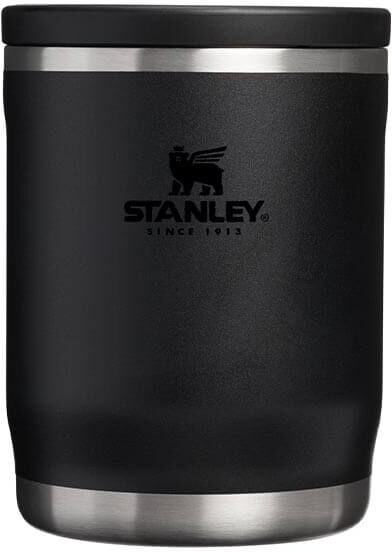
Stanley Adventure To-Go 0.35L Black Food JarThe Stanley Adventure ToGo 0.35L Black Food Jar is designed for those who enjoy meals on the move. Made from durable 18/8 stainless steel, this jar features double-wall vacuum insulation to keep your food hot or cold for up to 6 hours. Its wide opening allows for easy filling and cleaning, making it a practical choice for outdoor adventures or daily commutes. This food jar is BPA-free and leakproof, ensuring that your meals stay secure during travel. It's also dishwasher safe for effortless cleaning, making it suitable for everyday use. Dimensions: 10.7(H) x 10(W) x 10(D)cm Weight: 0.3kg.28,50 £*Shipping: 3,50 £Secure redirect to the provider
-
Stanley Adventure To-Go 0.53L Black Food JarThe Stanley Adventure ToGo 0.53L Black Food Jar is designed for those who enjoy meals on the move. Made from durable 18/8 stainless steel, this jar features double-wall vacuum insulation to keep your food hot or cold for up to 6 hours. Its wide opening allows for easy filling and cleaning, making it a practical choice for outdoor adventures or daily commutes. This food jar is BPA-free and leakproof, ensuring that your meals stay secure during travel. It's also dishwasher safe for effortless cleaning, making it suitable for everyday use. Dimensions: 13.5(H) x 10(W) x 10(D)cm Weight: 0.36kg.31,50 £*Shipping: 3,50 £Secure redirect to the provider



-
Can one cross under the Antarctic?
No, it is not possible to cross under the Antarctic continent. The continent is covered by a thick ice sheet, and there are no land routes that connect the opposite sides of the continent. Additionally, the extreme cold and harsh conditions make it nearly impossible for any kind of overland crossing to be attempted. The most common way to reach the opposite side of the continent is by air or sea. **
-
What is happening with the Antarctic?
The Antarctic is experiencing significant changes due to climate change. The region is warming at a faster rate than the global average, leading to the melting of its ice sheets and glaciers. This is contributing to rising sea levels and impacting the delicate ecosystems and wildlife that call the Antarctic home. Additionally, there are concerns about the potential release of large amounts of freshwater from the melting ice, which could disrupt ocean currents and further exacerbate global climate patterns. Efforts are being made to study and monitor these changes in order to better understand and mitigate their impacts. **
-
What are biotic factors in the Antarctic?
Biotic factors in the Antarctic include various species of algae, mosses, lichens, and other plants that are able to survive in the extreme cold and harsh conditions. Additionally, there are a variety of animal species such as penguins, seals, and various types of birds that have adapted to the Antarctic environment. These biotic factors play a crucial role in the Antarctic ecosystem, contributing to the overall biodiversity and functioning of the region. **
-
How does climate change affect the Antarctic?
Climate change is affecting the Antarctic in several ways. The warming of the planet is causing the Antarctic ice sheet to melt at an accelerating rate, leading to rising sea levels. This melting ice also affects the habitat and food sources for many species, such as penguins and seals. Additionally, the changing climate is altering the delicate balance of the Antarctic ecosystem, impacting the entire food web. Overall, climate change is having a significant and potentially devastating impact on the Antarctic region. **
What is the condition of the Antarctic?
The Antarctic is a harsh and extreme environment, characterized by freezing temperatures, strong winds, and limited precipitation. The continent is covered by a thick ice sheet, which holds about 70% of the world's fresh water. The region is also home to unique wildlife, including penguins, seals, and various species of birds. However, the Antarctic is facing challenges such as climate change, which is causing the ice to melt and affecting the delicate balance of this ecosystem. Efforts are being made to protect and preserve the Antarctic environment through international agreements and conservation measures. **
Can polar bears survive in the Antarctic?
No, polar bears cannot survive in the Antarctic. Polar bears are native to the Arctic region and are adapted to the cold climate and sea ice habitat found there. The Antarctic, on the other hand, is a continent surrounded by the Southern Ocean and is home to a different set of animals, such as penguins and seals. The climate and ecosystem of the Antarctic are not suitable for polar bears to survive. **
Top-Angebote
Products related to Antarctic:
-
Serumkind Deep Antarctic Drop for Skin Firmness 30mLA facial serum for wrinkles and signs of ageing. From the heart of Antarctica to your skin — firm, lift, and glow. Boosts collagen and elastin production. Improves skin firmness and elasticity. Deeply hydrates and brightens dull skin. Reduces visible signs of aging. Ideal for mature or tired skin. Antarcticine™ – Marine-derived, boosts collagen and protects from harsh elements.28,09 £*Shipping: 4,22 £Secure redirect to the provider
-
From the Archives: Black History and Culture Value PackThis brand-new series is rooted in a profound commitment to shedding light on some of the important -- and often lesser-known -- aspects of Black history. From the Archives features landmarks, events, people, and artistic endeavors that have played...26,99 $*Shipping: 0,00 $Secure redirect to the provider
-
Orion The Book of Humans by Adam Rutherford – A Brief History of Culture, Sex, War & EvolutionWHAT MAKES US HUMAN? Waging war? Sex for pleasure? Creating art? Mastery of fire? In this thrilling tour of the animal kingdom, Adam Rutherford tells the story of how we became the unique creatures we are today. Illuminated by the latest scientific discoveries, THE BOOK OF HUMANS is a dazzling compendium of what unequivocally fixes us as animals, and reveals how we are extraordinary among them.4,98 £*Shipping: 1,99 £Secure redirect to the provider
-
What is the Antarctic?
The Antarctic is a continent located at the southernmost part of the Earth. It is covered in ice and is home to the South Pole. The Antarctic is known for its extreme cold temperatures and harsh, remote environment. It is also a place of scientific research and exploration, with many countries operating research stations there to study the unique ecosystem and climate. **
-
Is the Antarctic a desert?
Yes, the Antarctic is considered a desert because it receives very little precipitation, with an average annual precipitation of only about 8 inches. The majority of the continent is covered by ice, and the dry, cold conditions make it similar to a desert environment. In fact, the Antarctic is the driest and windiest continent on Earth, with extremely low humidity and limited plant and animal life. **
-
Can one cross under the Antarctic?
No, it is not possible to cross under the Antarctic continent. The continent is covered by a thick ice sheet, and there are no land routes that connect the opposite sides of the continent. Additionally, the extreme cold and harsh conditions make it nearly impossible for any kind of overland crossing to be attempted. The most common way to reach the opposite side of the continent is by air or sea. **
-
What is happening with the Antarctic?
The Antarctic is experiencing significant changes due to climate change. The region is warming at a faster rate than the global average, leading to the melting of its ice sheets and glaciers. This is contributing to rising sea levels and impacting the delicate ecosystems and wildlife that call the Antarctic home. Additionally, there are concerns about the potential release of large amounts of freshwater from the melting ice, which could disrupt ocean currents and further exacerbate global climate patterns. Efforts are being made to study and monitor these changes in order to better understand and mitigate their impacts. **
Similar search terms for Antarctic
-
Stanley Adventure To-Go 0.35L Black Food JarThe Stanley Adventure ToGo 0.35L Black Food Jar is designed for those who enjoy meals on the move. Made from durable 18/8 stainless steel, this jar features double-wall vacuum insulation to keep your food hot or cold for up to 6 hours. Its wide opening allows for easy filling and cleaning, making it a practical choice for outdoor adventures or daily commutes. This food jar is BPA-free and leakproof, ensuring that your meals stay secure during travel. It's also dishwasher safe for effortless cleaning, making it suitable for everyday use. Dimensions: 10.7(H) x 10(W) x 10(D)cm Weight: 0.3kg.28,50 £*Shipping: 3,50 £Secure redirect to the provider
-
Stanley Adventure To-Go 0.53L Black Food JarThe Stanley Adventure ToGo 0.53L Black Food Jar is designed for those who enjoy meals on the move. Made from durable 18/8 stainless steel, this jar features double-wall vacuum insulation to keep your food hot or cold for up to 6 hours. Its wide opening allows for easy filling and cleaning, making it a practical choice for outdoor adventures or daily commutes. This food jar is BPA-free and leakproof, ensuring that your meals stay secure during travel. It's also dishwasher safe for effortless cleaning, making it suitable for everyday use. Dimensions: 13.5(H) x 10(W) x 10(D)cm Weight: 0.36kg.31,50 £*Shipping: 3,50 £Secure redirect to the provider
-
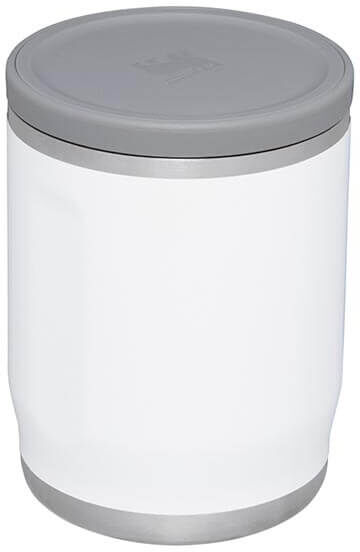
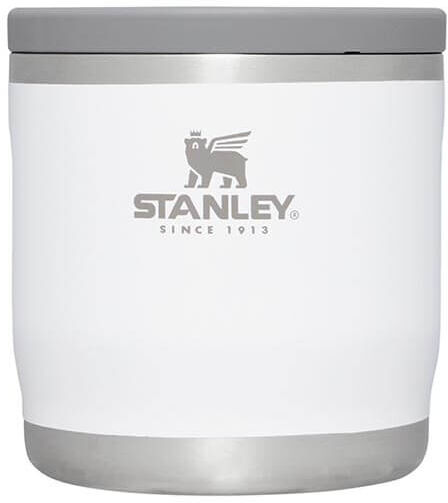
Stanley Adventure To-Go 0.53L Frost Food JarThe Stanley Adventure ToGo 0.53L Frost Food Jar is designed for those who enjoy meals on the move. Made from durable 18/8 stainless steel, this jar features double-wall vacuum insulation to keep your food hot or cold for up to 6 hours. Its wide opening allows for easy filling and cleaning, making it a practical choice for outdoor adventures or daily commutes. This food jar is BPA-free and leakproof, ensuring that your meals stay secure during travel. It's also dishwasher safe for effortless cleaning, making it suitable for everyday use. Dimensions: 13.5(H) x 10(W) x 10(D)cm Weight: 0.36kg.31,50 £*Shipping: 3,50 £Secure redirect to the provider
-
Stanley Adventure To-Go 0.35L Frost Food JarThe Stanley Adventure ToGo 0.35L Frost Food Jar is designed for those who enjoy meals on the move. Made from durable 18/8 stainless steel, this jar features double-wall vacuum insulation to keep your food hot or cold for up to 6 hours. Its wide opening allows for easy filling and cleaning, making it a practical choice for outdoor adventures or daily commutes. This food jar is BPA-free and leakproof, ensuring that your meals stay secure during travel. It's also dishwasher safe for effortless cleaning, making it suitable for everyday use. Dimensions: 10.7(H) x 10(W) x 10(D)cm Weight: 0.3kg.28,50 £*Shipping: 3,50 £Secure redirect to the provider
-
What are biotic factors in the Antarctic?
Biotic factors in the Antarctic include various species of algae, mosses, lichens, and other plants that are able to survive in the extreme cold and harsh conditions. Additionally, there are a variety of animal species such as penguins, seals, and various types of birds that have adapted to the Antarctic environment. These biotic factors play a crucial role in the Antarctic ecosystem, contributing to the overall biodiversity and functioning of the region. **
-
How does climate change affect the Antarctic?
Climate change is affecting the Antarctic in several ways. The warming of the planet is causing the Antarctic ice sheet to melt at an accelerating rate, leading to rising sea levels. This melting ice also affects the habitat and food sources for many species, such as penguins and seals. Additionally, the changing climate is altering the delicate balance of the Antarctic ecosystem, impacting the entire food web. Overall, climate change is having a significant and potentially devastating impact on the Antarctic region. **
-
What is the condition of the Antarctic?
The Antarctic is a harsh and extreme environment, characterized by freezing temperatures, strong winds, and limited precipitation. The continent is covered by a thick ice sheet, which holds about 70% of the world's fresh water. The region is also home to unique wildlife, including penguins, seals, and various species of birds. However, the Antarctic is facing challenges such as climate change, which is causing the ice to melt and affecting the delicate balance of this ecosystem. Efforts are being made to protect and preserve the Antarctic environment through international agreements and conservation measures. **
-
Can polar bears survive in the Antarctic?
No, polar bears cannot survive in the Antarctic. Polar bears are native to the Arctic region and are adapted to the cold climate and sea ice habitat found there. The Antarctic, on the other hand, is a continent surrounded by the Southern Ocean and is home to a different set of animals, such as penguins and seals. The climate and ecosystem of the Antarctic are not suitable for polar bears to survive. **
* All prices are inclusive of VAT and, if applicable, plus shipping costs. The offer information is based on the details provided by the respective shop and is updated through automated processes. Real-time updates do not occur, so deviations can occur in individual cases. ** Note: Parts of this content were created by AI.