Buy loran-europe.eu ?
We are moving the project
loran-europe.eu .
Are you interested in purchasing the domain
loran-europe.eu ?
domain@kv-gmbh.de · 0541-91531010
Buy loran-europe.eu ?
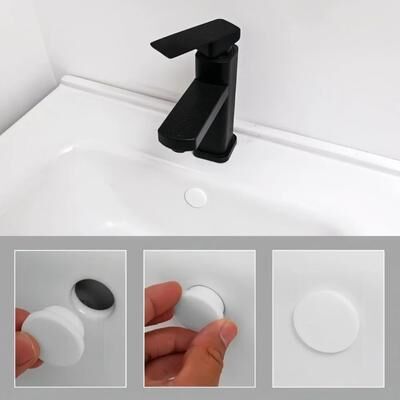
How can I close the overflow in a sink?
To close the overflow in a sink, you can try using a sink overflow cover or a sink overflow ring. These are small attachments that can be placed over the overflow opening to block it. Another option is to use a rubber stopper or a sink drain plug to cover the overflow opening. Make sure to securely place the cover or stopper over the overflow to prevent water from escaping through the opening. **
How can I close the overflow on a sink?
To close the overflow on a sink, you can start by locating the overflow hole, which is usually located under the faucet. Once you have located the overflow hole, you can use a sink stopper or a small piece of tape to cover the hole and prevent water from flowing through it. If you are using a sink stopper, simply place it over the overflow hole and press down to create a seal. If you are using tape, make sure to cover the hole completely to prevent any water from leaking through. **

Similar search terms for Silicone-Sink-Overflow-Cover
Top-Angebote
Products related to Silicone-Sink-Overflow-Cover:
-
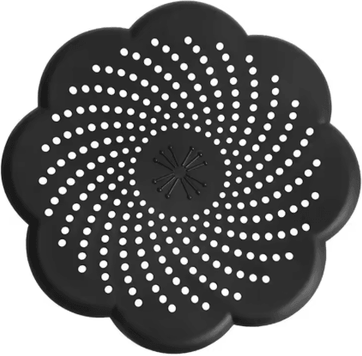
Inspire Essentials Flower Silicone Drain Cover Hair Catcher Sink Strainer grey 3pcsSmall problems in the kitchen or bathroom can turn into daily annoyances fast. This flexible silicone drain cover is designed to stop hair, food scraps, and debris before they clog your pipes. With its charming flower shape and fine mesh design, it...42,48 $*Shipping: 0,00 $Secure redirect to the provider

-
Can a push-up waste valve with overflow also be used for a sink without overflow?
No, a push-up waste valve with overflow is specifically designed to work with sinks that have an overflow feature. If used with a sink without an overflow, the excess water will not be able to drain properly, potentially causing water to spill over the sink. It is important to use the appropriate waste valve for the specific sink design to ensure proper functionality and prevent any potential issues. **
-
How can one seal the sink with silicone?
To seal a sink with silicone, first clean the area around the sink with a degreaser and allow it to dry completely. Then, apply a thin, even bead of silicone around the edge of the sink where it meets the countertop. Use a caulking gun for precision and smooth the silicone with a wet finger or a caulking tool to create a neat finish. Allow the silicone to dry according to the manufacturer's instructions before using the sink. **
-
How can I fix a broken thread in the sink overflow?
To fix a broken thread in the sink overflow, you can try using a thread repair kit. These kits typically include a tap and a set of inserts that can be used to create new threads in the damaged area. First, clean the area around the broken thread and then use the tap to create new threads. Once the new threads are in place, you can use the inserts to reinforce the area and provide a new surface for the screw to grip onto. This should help to fix the broken thread and allow you to securely attach the overflow cover back in place. **
-
Should silicone be glued under the sink or not?
It is not recommended to glue silicone under the sink. Silicone is typically used as a sealant to prevent leaks and water damage, but it is not meant to be glued in place. Instead, silicone should be applied around the edges of the sink to create a watertight seal. Gluing silicone in place can make it difficult to remove and replace in the future if needed. **

What is the cause of water in the overflow of the sink?
The most common cause of water in the overflow of a sink is a clog in the drain pipe. When the main drain is blocked, water can back up and overflow into the overflow opening. This can happen due to a buildup of debris, grease, or hair in the pipes. Another possible cause could be a faulty or improperly installed plumbing system that is not allowing water to flow properly through the pipes. Regular maintenance and proper use of drain filters can help prevent clogs and avoid water overflow in the sink. **
How can I remove the plastic cover of the bathtub overflow?
To remove the plastic cover of the bathtub overflow, start by locating the screws that are holding it in place. These are usually located on the sides of the cover or underneath it. Use a screwdriver to loosen and remove the screws. Once the screws are removed, gently lift the cover out of the overflow opening. Be careful not to force it, as it may be sealed with caulk or silicone. If it is sealed, use a utility knife to carefully cut through the caulk or silicone before attempting to remove the cover. **
Top-Angebote
Products related to Silicone-Sink-Overflow-Cover:
-
Inspired Living Universal Silicone Overflow Hole Plug Leak Proof Sink & Tub Sealing Plug Set (2 Pack) Universal Silicone Overflow Hole Plug Leak Proof Sink & Tub Sealing Plug Set (2 Pack)Keep water exactly where you want it with the Universal Silicone Overflow Hole Plug, designed for anyone tired of leaks, drips, and wasted water. This simple yet effective sink overflow cover seals overflow openings instantly, helping your basin...23,97 $*Shipping: 0,00 $Secure redirect to the provider
-
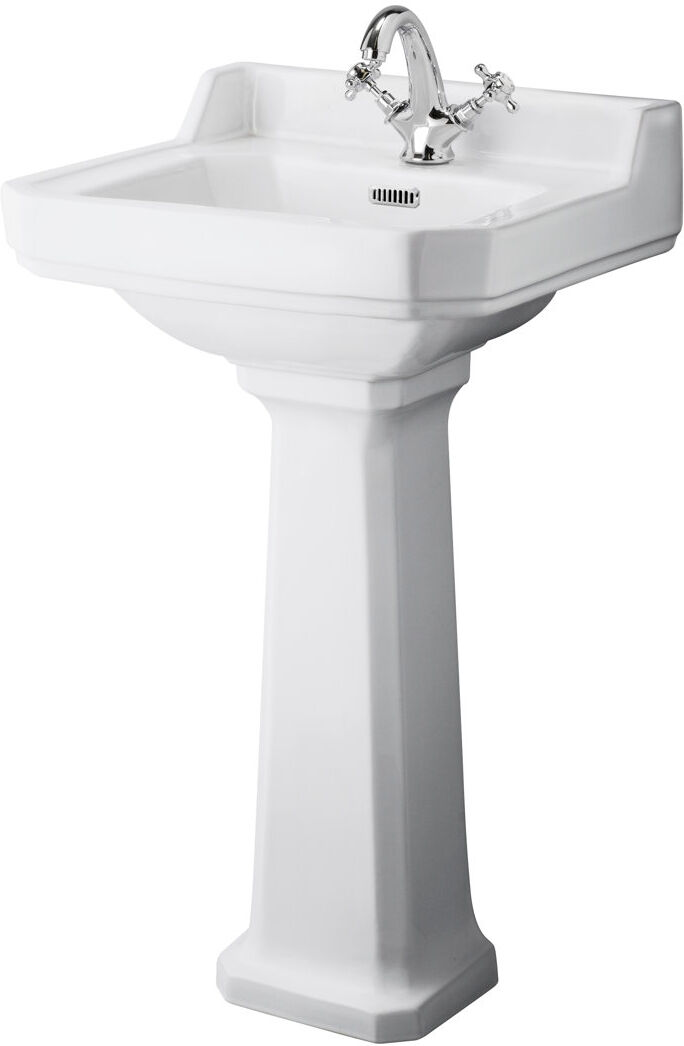
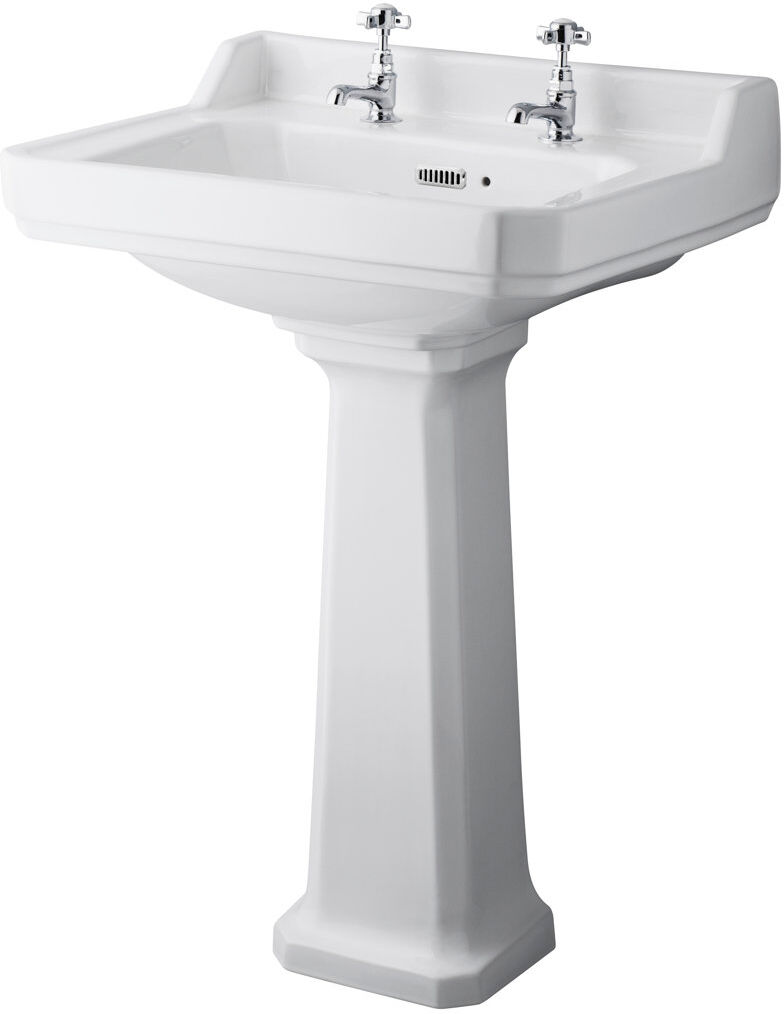
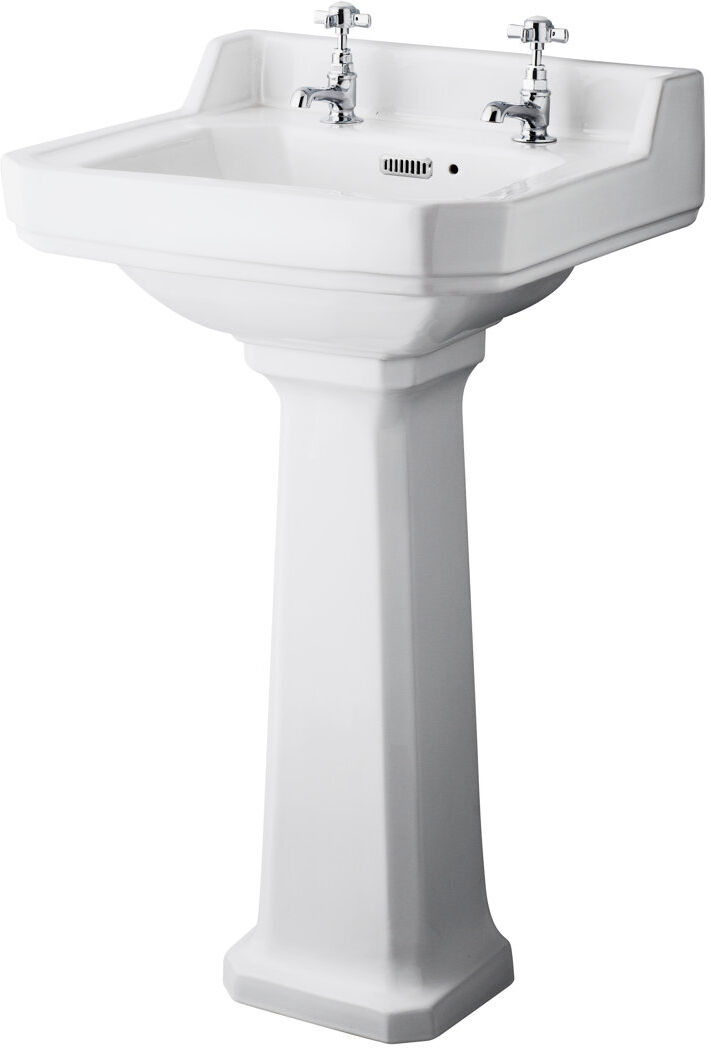
Ebern Designs Bralon Ceramic Rectangular Sink with Overflow White 800mm WThis rectangular washbasin, made of premium ceramic, will be a stylish addition to any bathroom, washroom or powder room. Its high gloss finish brings itself a modern yet elegant design. This artistic ceramic basin is more than just a practical vessel for everyday use, but it is an adornment for your living space. It will definitely suit any interior style. In addition, the basin is quite easy to clean. A faucet hole is equipped to install a tap. The drain hole is 4,5 cm in diameter. Please note that no drain or faucet is included in the delivery. If you want to wall mount this basin, it needs to be supported by a pair of brackets. Please note these brackets are not included in the delivery. Ebern Designs Finish: White81,99 £*Shipping: 0,00 £Secure redirect to the provider
-
How can I close the overflow in a sink?
To close the overflow in a sink, you can try using a sink overflow cover or a sink overflow ring. These are small attachments that can be placed over the overflow opening to block it. Another option is to use a rubber stopper or a sink drain plug to cover the overflow opening. Make sure to securely place the cover or stopper over the overflow to prevent water from escaping through the opening. **
-
How can I close the overflow on a sink?
To close the overflow on a sink, you can start by locating the overflow hole, which is usually located under the faucet. Once you have located the overflow hole, you can use a sink stopper or a small piece of tape to cover the hole and prevent water from flowing through it. If you are using a sink stopper, simply place it over the overflow hole and press down to create a seal. If you are using tape, make sure to cover the hole completely to prevent any water from leaking through. **
-
Can a push-up waste valve with overflow also be used for a sink without overflow?
No, a push-up waste valve with overflow is specifically designed to work with sinks that have an overflow feature. If used with a sink without an overflow, the excess water will not be able to drain properly, potentially causing water to spill over the sink. It is important to use the appropriate waste valve for the specific sink design to ensure proper functionality and prevent any potential issues. **
-
How can one seal the sink with silicone?
To seal a sink with silicone, first clean the area around the sink with a degreaser and allow it to dry completely. Then, apply a thin, even bead of silicone around the edge of the sink where it meets the countertop. Use a caulking gun for precision and smooth the silicone with a wet finger or a caulking tool to create a neat finish. Allow the silicone to dry according to the manufacturer's instructions before using the sink. **
Similar search terms for Silicone-Sink-Overflow-Cover
-
Inspire Essentials Flower Silicone Drain Cover Hair Catcher Sink Strainer grey 3pcsSmall problems in the kitchen or bathroom can turn into daily annoyances fast. This flexible silicone drain cover is designed to stop hair, food scraps, and debris before they clog your pipes. With its charming flower shape and fine mesh design, it...42,48 $*Shipping: 0,00 $Secure redirect to the provider
-
Inspire Essentials Flower Silicone Drain Cover Hair Catcher Sink Strainer black 5pcsSmall problems in the kitchen or bathroom can turn into daily annoyances fast. This flexible silicone drain cover is designed to stop hair, food scraps, and debris before they clog your pipes. With its charming flower shape and fine mesh design, it...42,48 $*Shipping: 0,00 $Secure redirect to the provider
-
Inspire Essentials Flower Silicone Drain Cover Hair Catcher Sink Strainer pink 3pcsSmall problems in the kitchen or bathroom can turn into daily annoyances fast. This flexible silicone drain cover is designed to stop hair, food scraps, and debris before they clog your pipes. With its charming flower shape and fine mesh design, it...42,48 $*Shipping: 0,00 $Secure redirect to the provider
-
How can I fix a broken thread in the sink overflow?
To fix a broken thread in the sink overflow, you can try using a thread repair kit. These kits typically include a tap and a set of inserts that can be used to create new threads in the damaged area. First, clean the area around the broken thread and then use the tap to create new threads. Once the new threads are in place, you can use the inserts to reinforce the area and provide a new surface for the screw to grip onto. This should help to fix the broken thread and allow you to securely attach the overflow cover back in place. **
-
Should silicone be glued under the sink or not?
It is not recommended to glue silicone under the sink. Silicone is typically used as a sealant to prevent leaks and water damage, but it is not meant to be glued in place. Instead, silicone should be applied around the edges of the sink to create a watertight seal. Gluing silicone in place can make it difficult to remove and replace in the future if needed. **
-
What is the cause of water in the overflow of the sink?
The most common cause of water in the overflow of a sink is a clog in the drain pipe. When the main drain is blocked, water can back up and overflow into the overflow opening. This can happen due to a buildup of debris, grease, or hair in the pipes. Another possible cause could be a faulty or improperly installed plumbing system that is not allowing water to flow properly through the pipes. Regular maintenance and proper use of drain filters can help prevent clogs and avoid water overflow in the sink. **
-
How can I remove the plastic cover of the bathtub overflow?
To remove the plastic cover of the bathtub overflow, start by locating the screws that are holding it in place. These are usually located on the sides of the cover or underneath it. Use a screwdriver to loosen and remove the screws. Once the screws are removed, gently lift the cover out of the overflow opening. Be careful not to force it, as it may be sealed with caulk or silicone. If it is sealed, use a utility knife to carefully cut through the caulk or silicone before attempting to remove the cover. **
* All prices are inclusive of VAT and, if applicable, plus shipping costs. The offer information is based on the details provided by the respective shop and is updated through automated processes. Real-time updates do not occur, so deviations can occur in individual cases. ** Note: Parts of this content were created by AI.